Journey to Portugal I — donkeys, oranges and near-empty villages
The journey before the journey
Saramago’s words are quoted in the original Portuguese throughout — it is the book’s language, and the map’s.
We stumbled on José Saramago’s Viagem a Portugal by accident, on RTP, through the series of the same name presented by Fábio Porchat. The book was first published in 1981, after Saramago drove across the country between October 1979 and July 1980 at the invitation of Círculo de Leitores. We’re quite fond of Saramago, but we had no idea this book existed; curious, we watched the first episode, in which Fábio Porchat visits, among other places, Torre de Moncorvo, Amarante and Chaves. Watching it, we thought it would be something to make our own journey to Portugal, following Saramago’s footsteps 42 years later. Then someone gave us the book, we put the series on hold and started taking notes on every place it mentions and… there are a lot of them! Saramago stops at every little chapel that crosses his path, and uses it as an excuse to learn a bit more about the people and the lands he passes through. That’s one of the most curious things about the book: the interest and the knowledge that Saramago, a convinced atheist, shows for sacred art, and how he turns that interest into a way of connecting with the people he meets along the road.
Preparing the trip and adding every point to the map made us realise this would take real organisation, and a few concessions to Saramago’s itinerary — room for some places we wanted to see where he never stopped, or barely did, and some spare time for walks in nature. It also became clear this is not a journey for a weekend or a single summer, so we’re doing it in stages. This first leg was eight days, 18 to 25 February 2023, from the centre of the country to the Trás-os-Montes northeast and back. One of us drove nearly the whole way which, between mountain ranges and roads that never seemed to end, was not always easy.
«É preciso recomeçar a viagem. Sempre.»
— José Saramago, Viagem a Portugal
Day 1 — Saturday, 18 February
The day’s route: Coimbra.
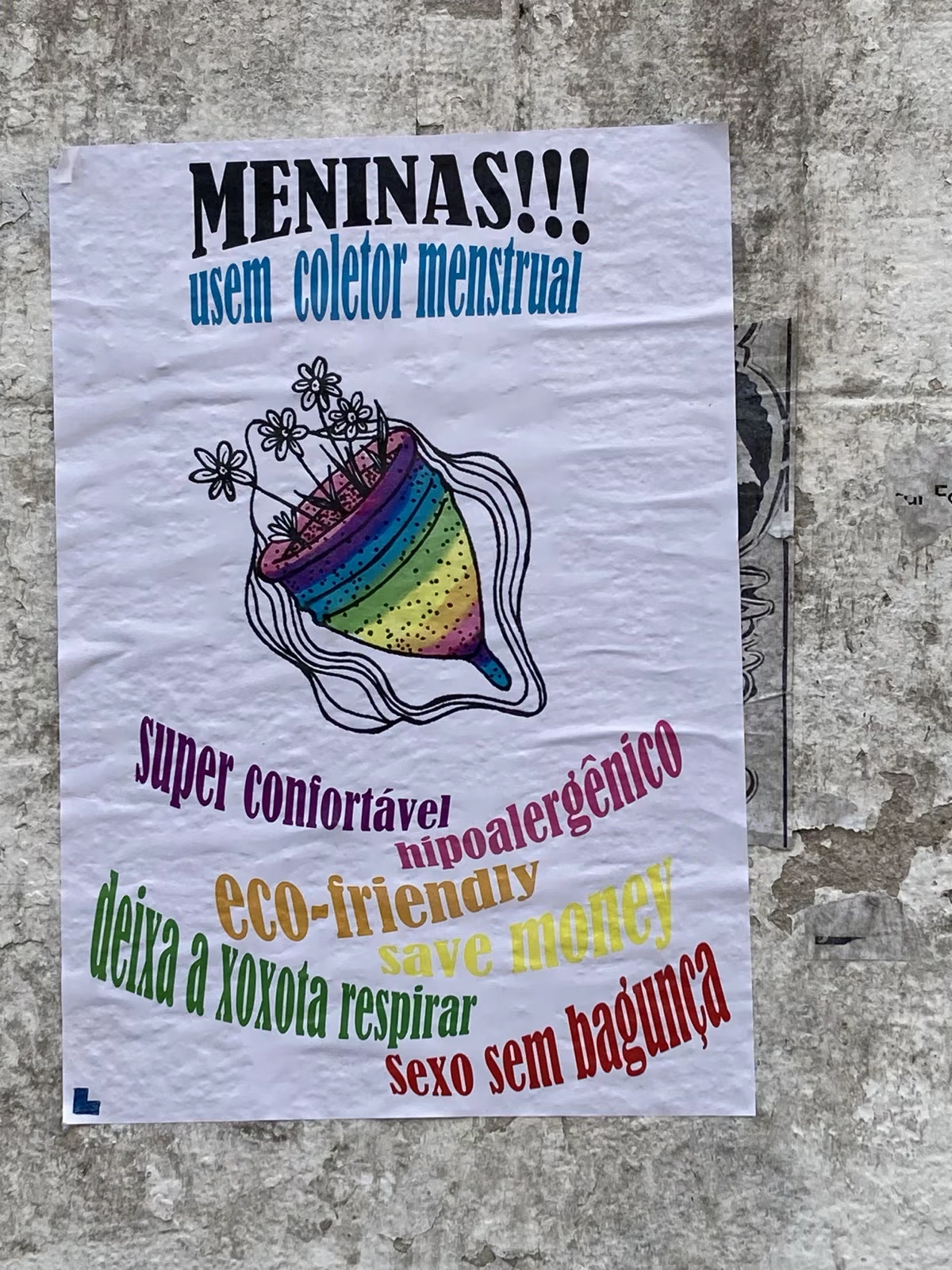
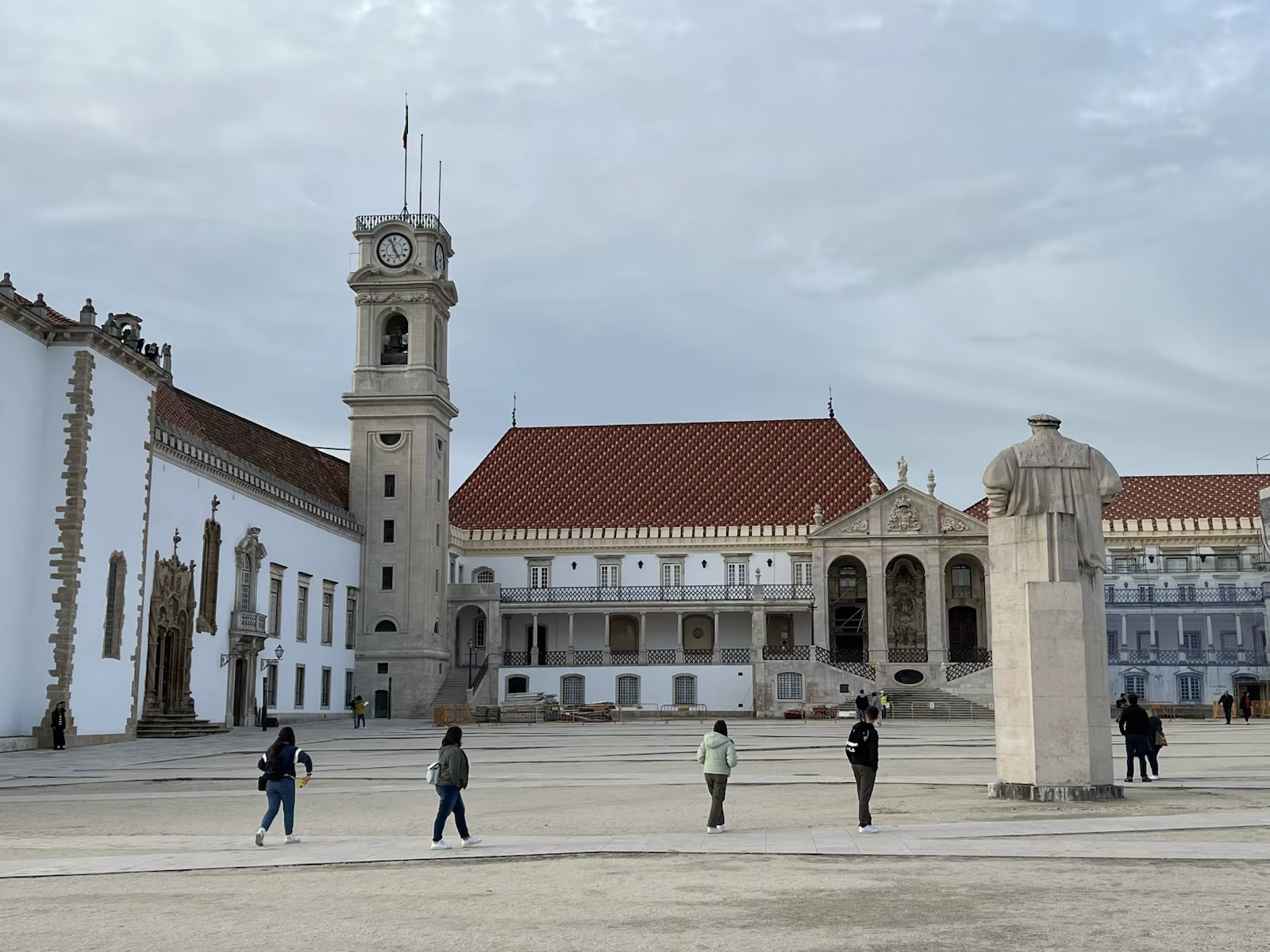
We started in Coimbra, on a Saturday — which turned out to be a small miscalculation: nearly everything was closed. Good for the city, perhaps, but dull for anyone arriving from out of town wanting to wander. We stayed one night. There was time to climb up and down all the hills (Coimbra spares nobody’s legs) and to peek into the university gardens and the Botanical Garden. That was the day’s best surprise — bigger and more beautiful than we expected, if a little unkempt, with a lovely view over the city. We saw an endless stream of buses go by, which surprised us for reasons we can’t quite explain, and we even found a few vegan options. We never made it inside the library and plenty was left unseen, but it’s a likeable city, and it leaves us an excuse to come back. And on the walls, everywhere, street art — Coimbra has heaps of it. We kept a piece by Ninas, a menstrual cup, and one painted phrase worth carrying around: «deixa a xoxota respirar».
Day 2 — Sunday, 19 February
The day’s route: Figueira de Castelo Rodrigo, Vila Nova de Foz Côa.
The first proper day on the road, with the first almond trees in bloom appearing along the way.
Figueira de Castelo Rodrigo
«pelo arco que sustenta o coro, constituído por elementos de pedra em forma de S e considerado único no País.»
— José Saramago, Viagem a Portugal
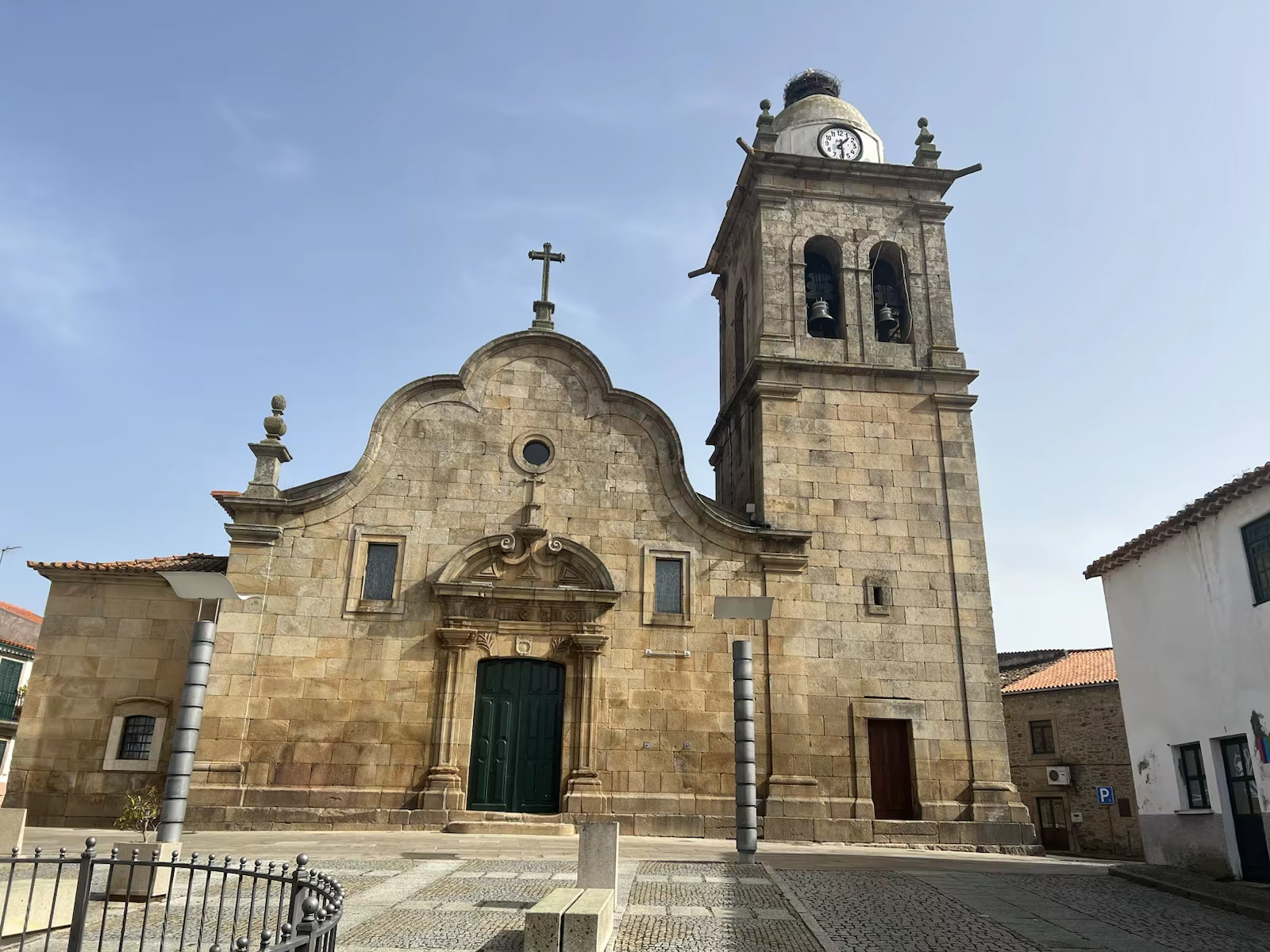
We stopped for lunch and landed in an enormous restaurant, full with a coach tour, half a dozen people serving — and still we were out quickly. On the way out we passed a field of almond trees in flower. We also visited a small museum about a battle which, as far as we understood, helped keep Portugal independent from Spain. The castle of Castelo Rodrigo, a little out of the way, was left unseen.
Vila Nova de Foz Côa
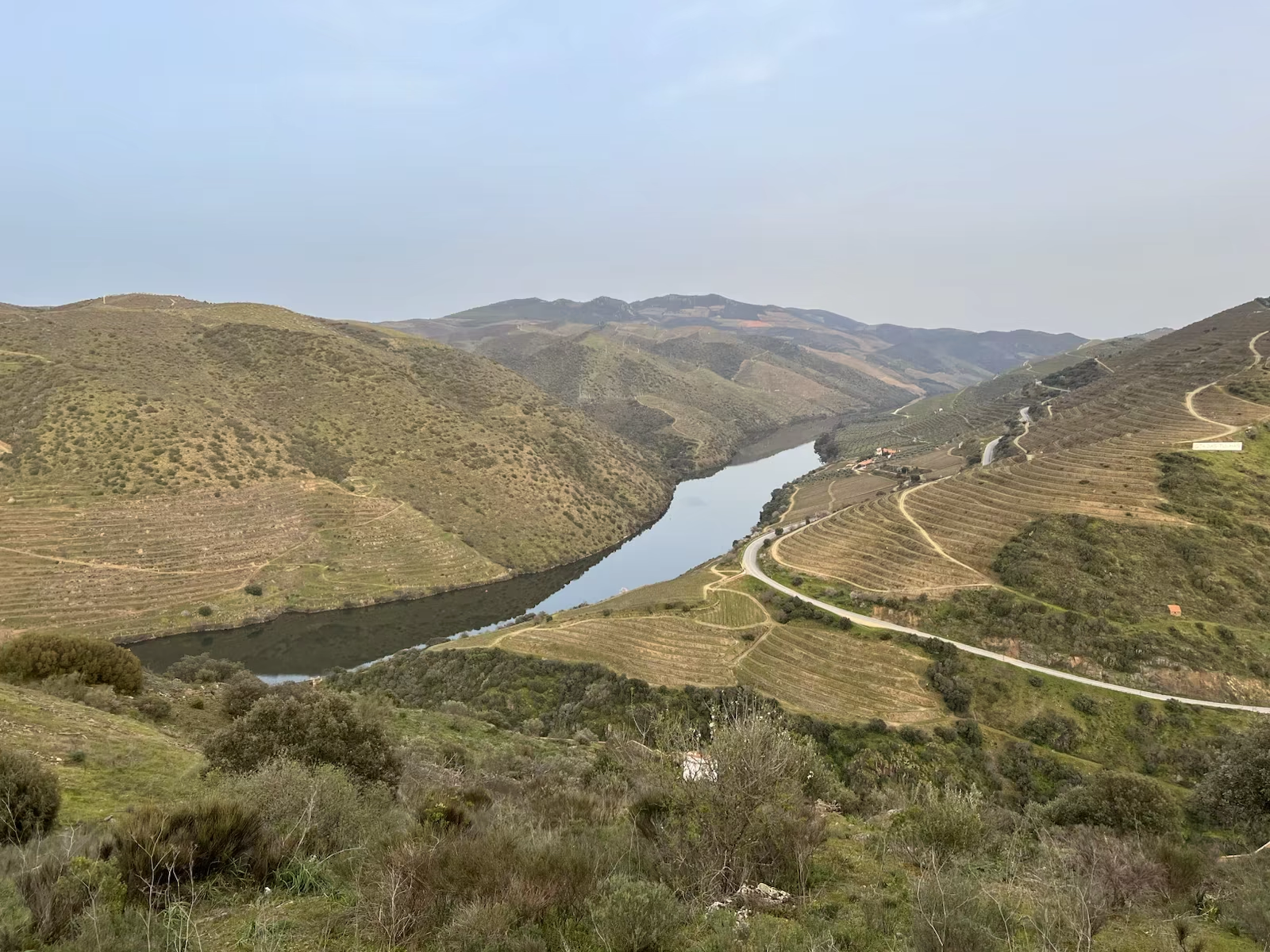
Of Foz Côa we never actually saw the town: we stayed at the Côa museum, at the end of the day. The engravings, down in the valley, were left for another time — they were far, it was getting late, and we didn’t fancy wandering around there after dark. But the Côa valley, deep and beautiful, was well worth the stop.
Day 3 — Monday, 20 February
The day’s route: Torre de Moncorvo, Vila Flor, Mazouco.
A varied day: a town that received us after dark, a church we barely remember, and an off-map detour that nearly finished us.
Torre de Moncorvo
«Quando o viajante entra em Torre de Moncorvo, já há muito tempo que é noite fechada»
— José Saramago, Viagem a Portugal
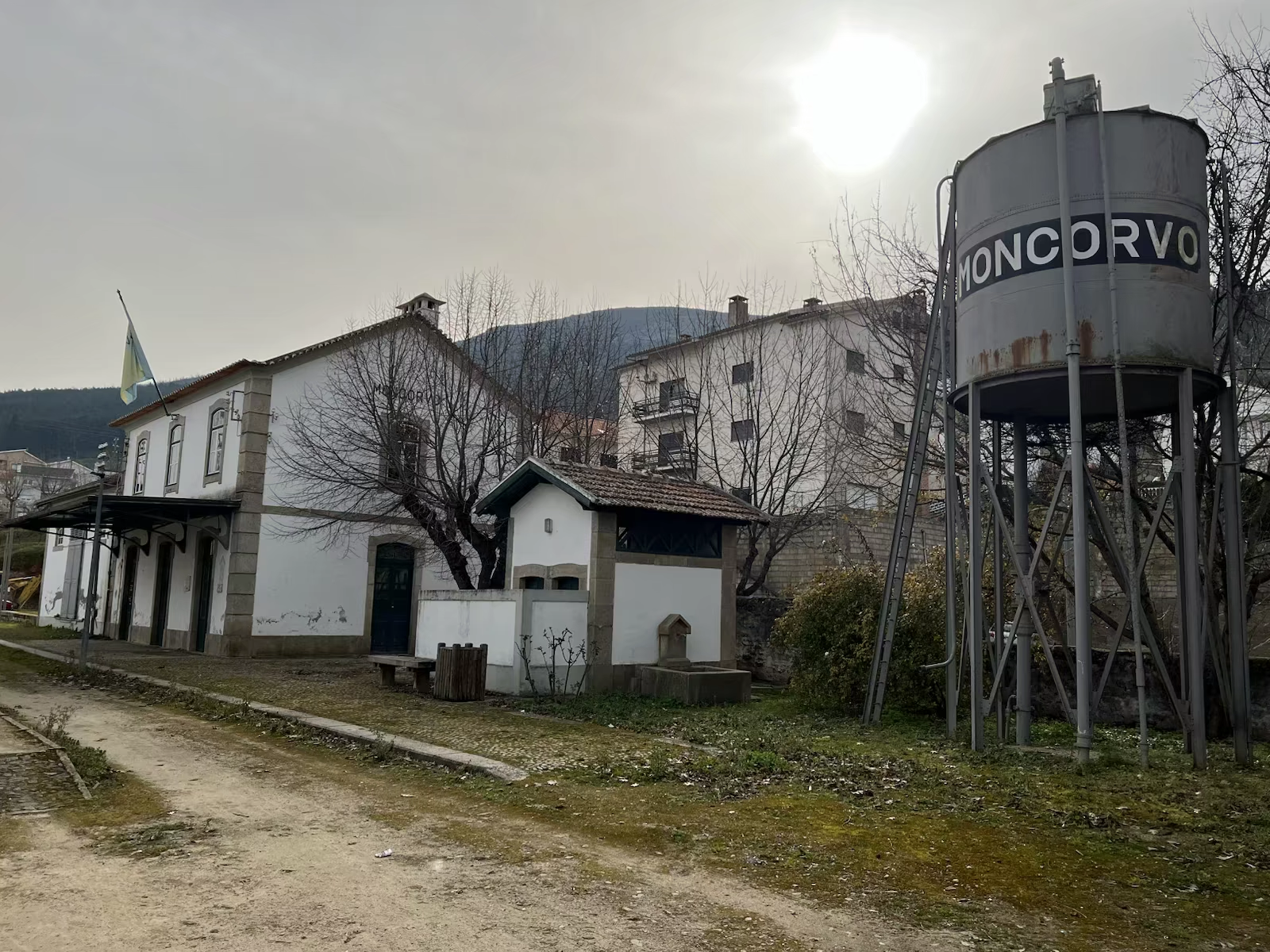
Saramago entered Moncorvo in the dead of night, and with us it was much the same. It was still daylight when we arrived, but darkness fell so fast it might as well have been night. The town sits high up, a little apart from everything, and the first impression was — let’s be honest — a touch unnerving. We stayed in an enormous manor house which, at night and half empty, looked straight out of an old telenovela. The moment we arrived we ran into a well-known local character, chatting with the few people still out on the street. We walked a good while looking for a restaurant (there were some dubious-looking bars and little else) and ended up dining on soup and gizzards that turned out to be very good. The next morning, with the town in a different light, we walked around the Largo da Igreja, where someone had taken the trouble to interlace, one by one, every single tree.
Vila Flor
«o pórtico desta matriz do século XVII é digno de grandes atenções e demora suficiente»
— José Saramago, Viagem a Portugal
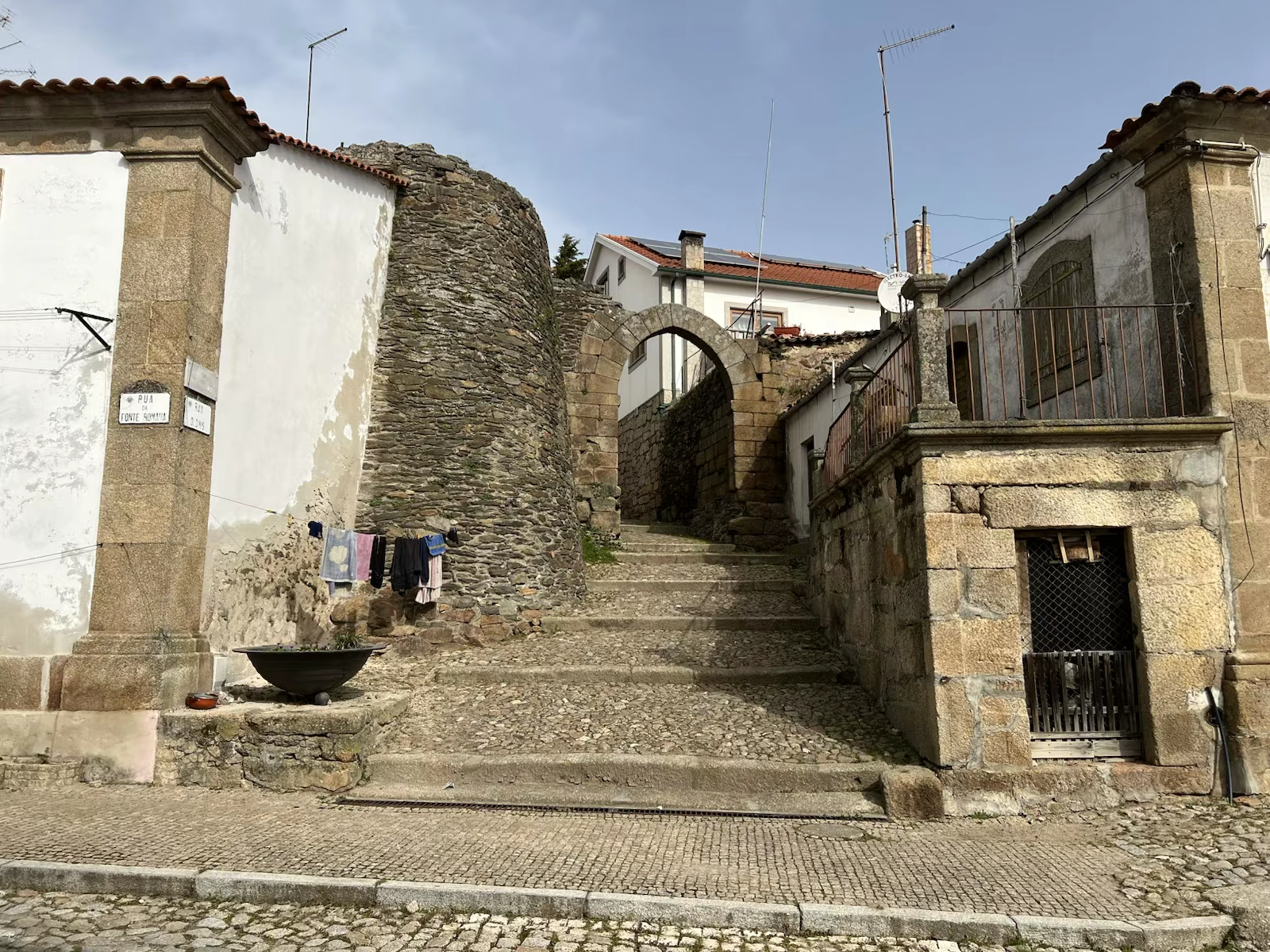
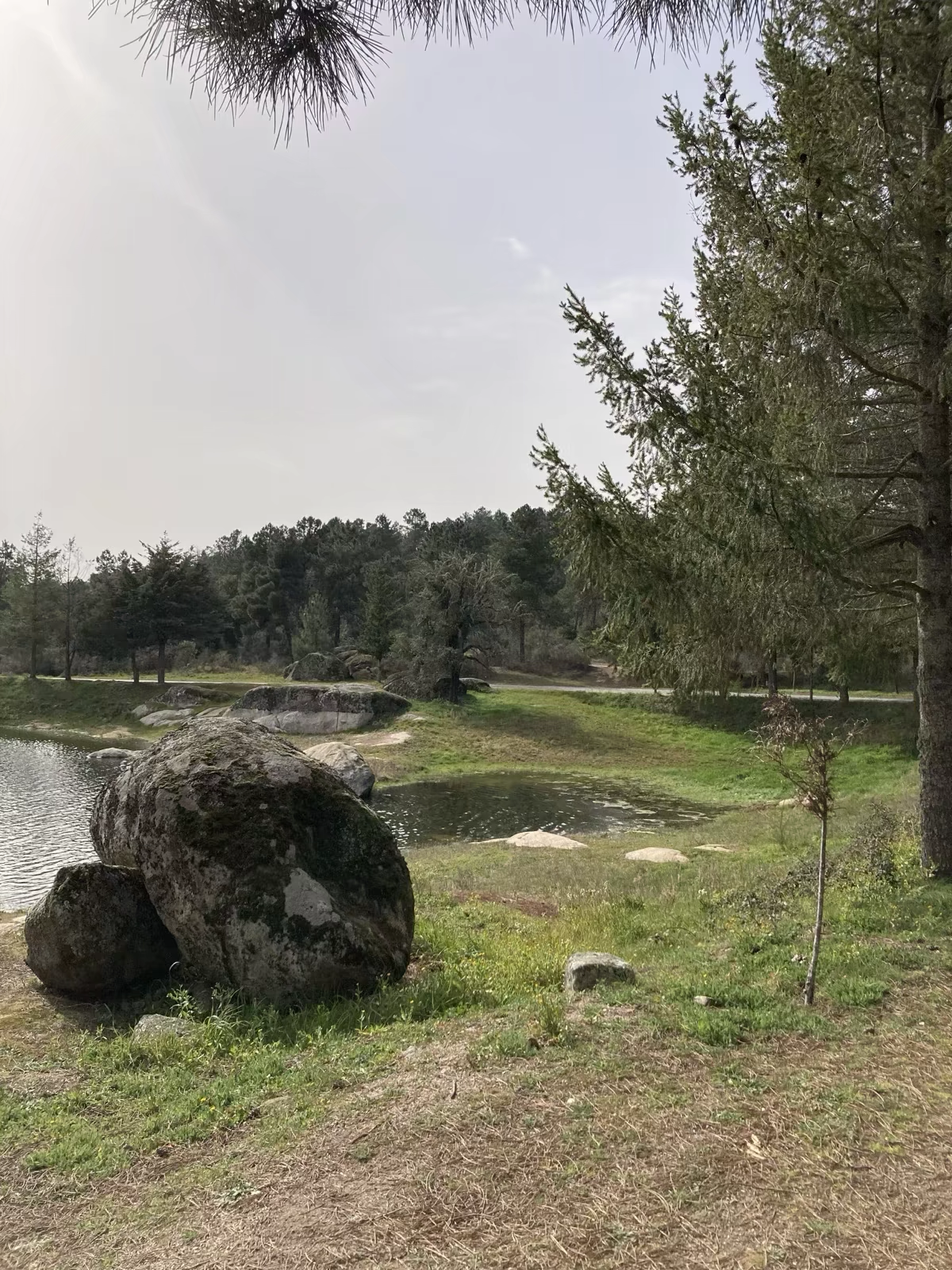
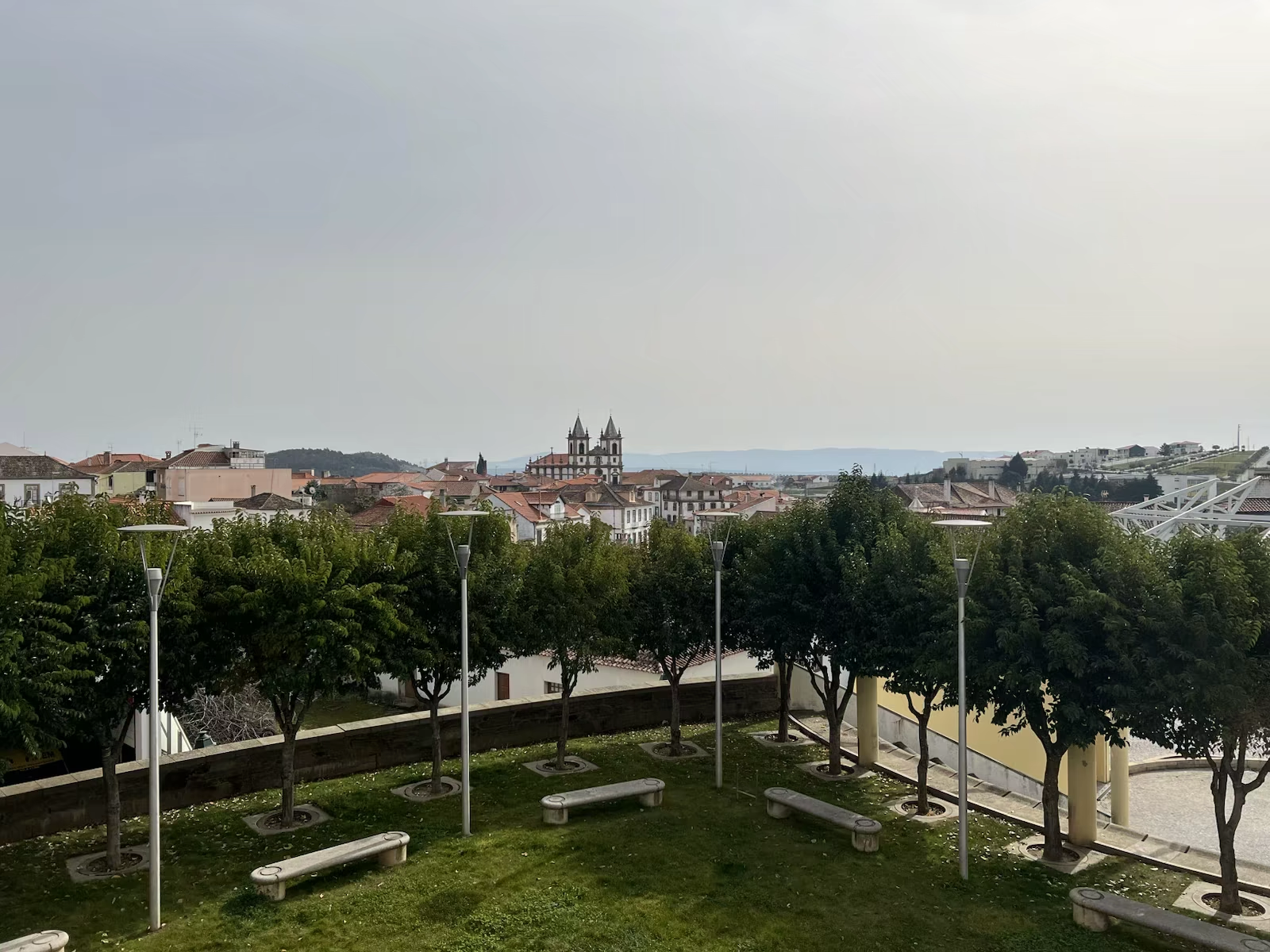
Of Vila Flor, we confess, little stayed with us. The big church on its square, with that portal Saramago tells us to mind, the road in, the walk we took around it. We remember having been there, and we drove on. There are stops like this, where nothing much happens and all that remains is the photograph.
Mazouco
Not part of Saramago’s journey: the rock engravings of Mazouco, the first open-air Palaeolithic art site identified in Portugal, were only discovered in 1981, two years after he passed through.
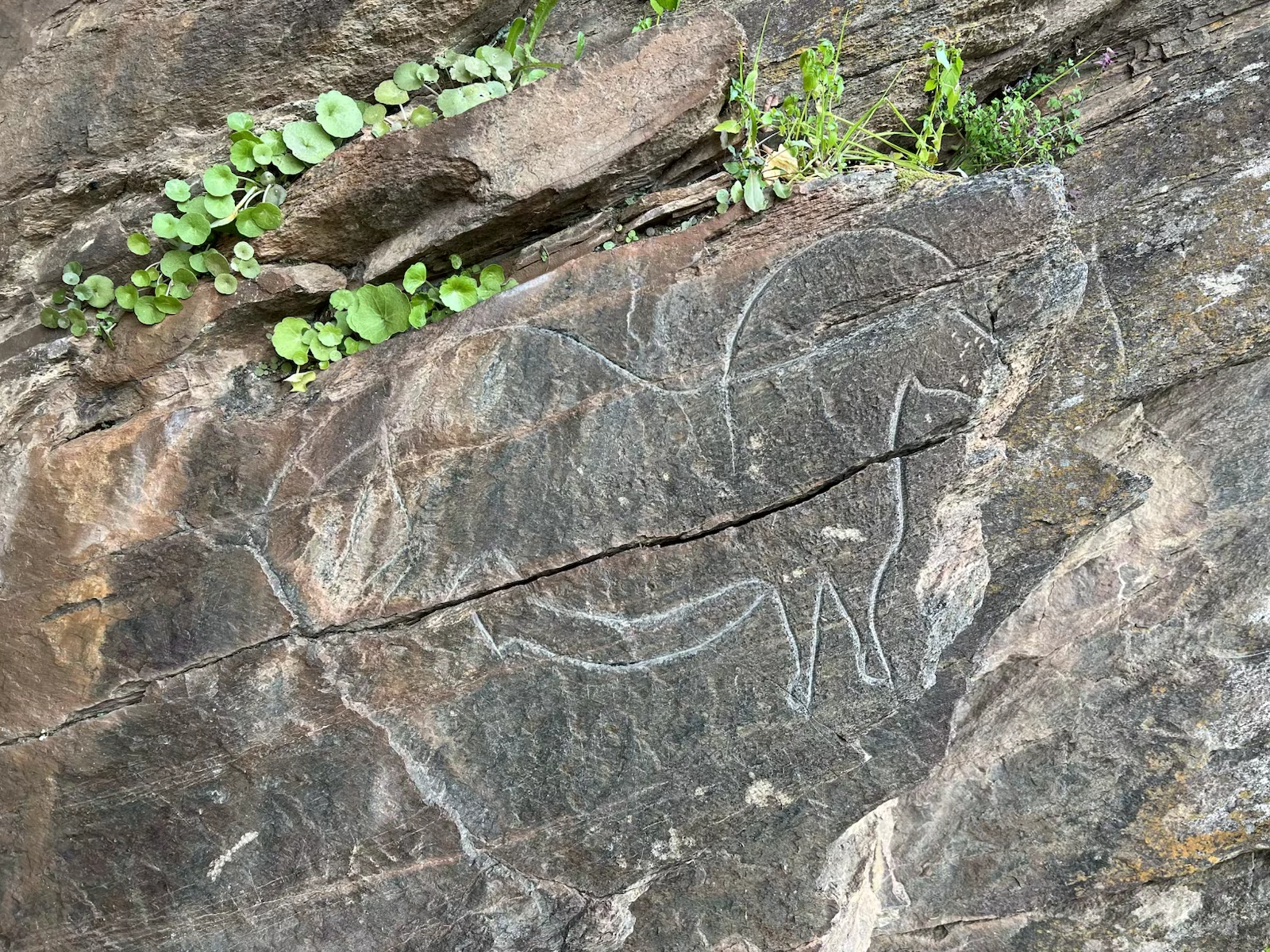
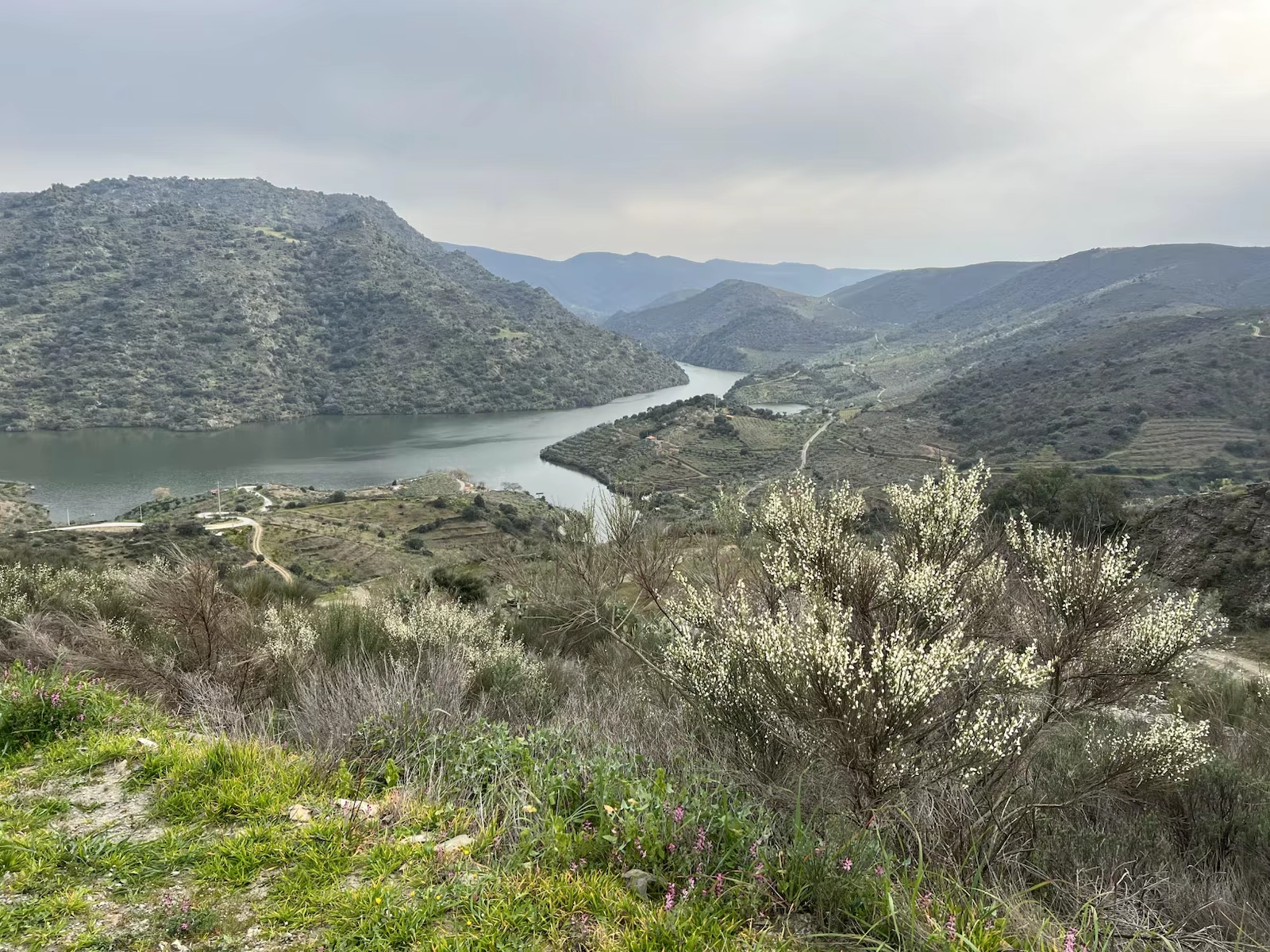
Mazouco wasn’t on Saramago’s route, nor could it have been: the rock engravings were only discovered in 1981, two years after he came through. Since we hadn’t gone down to the Côa to see the ones in the park, we reckoned this was more or less on the way and worth the detour. “More or less” is a manner of speaking, because it meant descending an enormous valley on questionable roads. We left the car in the centre of the village (a single square, old houses side by side with renovated piles, and almost only older people about) and did the rest on foot. The way down to the engraving, facing the river, was short but steep. The way back up — in heat unfit for February (there were wildfires around and a thunderstorm threatening) and without a drop of water on us — very nearly finished us. At the top, some gentlemen decided we were half mad for having walked down, and sent us off with oranges from Mazouco: «as mais doces, não há outra laranja igual a esta» — the sweetest, no other orange like it. They were absolutely right; they tasted like something else entirely. Our only regret was not bringing more.
Day 4 — Tuesday, 21 February
The day’s route: Miranda do Douro, Sendim, Mogadouro, Vimioso.
One of the favourite days. We woke in Miranda do Douro and spent the morning with the donkeys of Atenor, before carrying on through Sendim, Mogadouro and Vimioso.
Miranda do Douro
«a escarpada parede é uma enorme pintura abstracta em diversos tons de amarelo, e nem apetece daqui sair enquanto houver luz»
— José Saramago, Viagem a Portugal
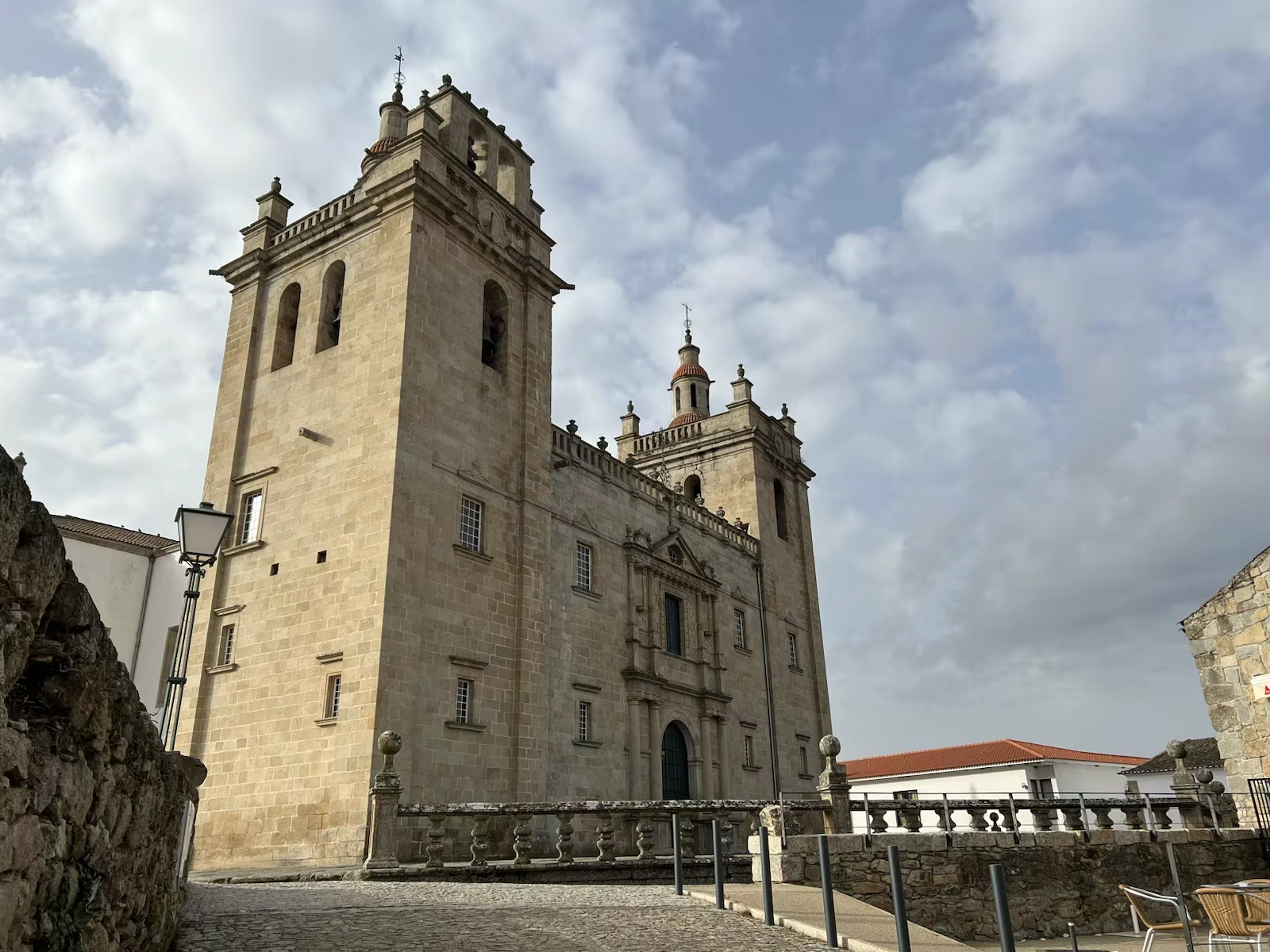
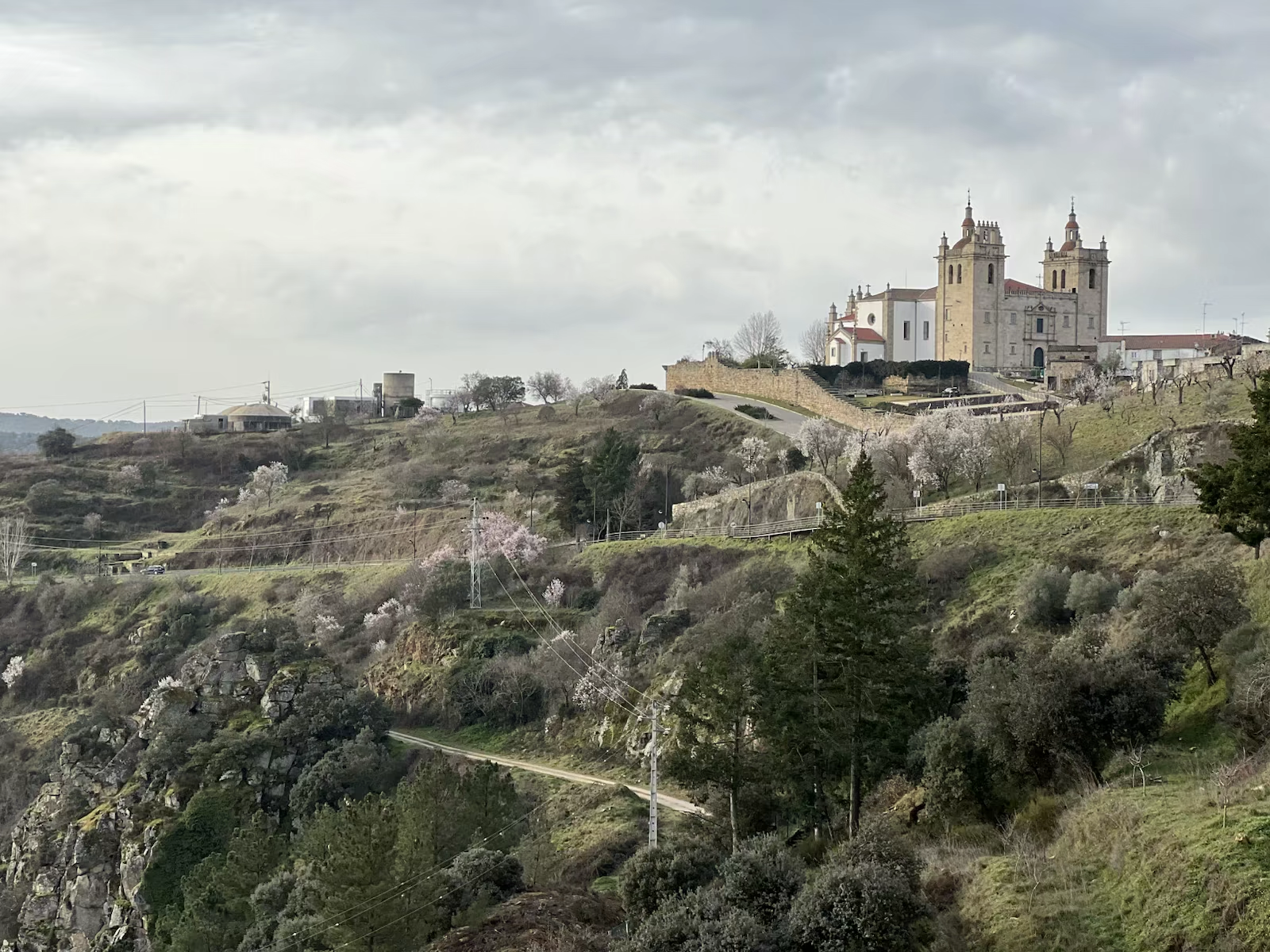
We reached Miranda towards the end of the day, in the cold. The city sits above the Douro, with that yellow cliff face Saramago describes, now covered in graffiti. The historic centre is pretty and still has some life in it, though the newer buildings outside it are mostly charmless, as in so many Portuguese towns. We stayed in a guesthouse with underfloor heating, an unexpected luxury for the cold outside. It was also here that one of us fell ill, something that stayed with us for the days that followed.
Atenor
Not part of Saramago’s journey: the Centro de Valorização do Burro de Miranda (AEPGA), in Atenor, which shelters and protects the Miranda donkey breed.
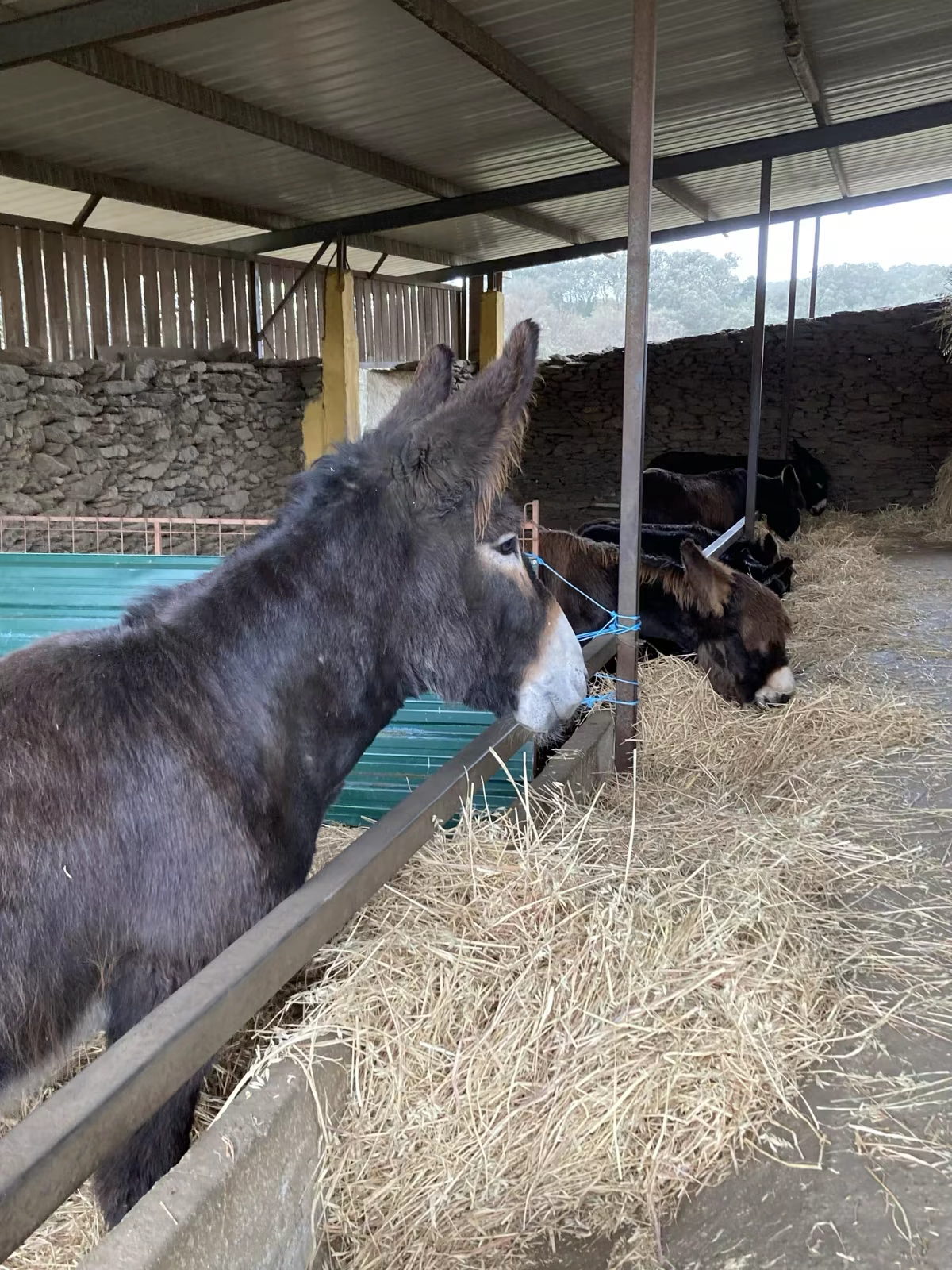
This was the favourite moment of the whole trip. We booked a visit to AEPGA and spent the morning petting the donkeys and playing with them. There were many, with names like Dom Quixote and Dulcineia — the latter pregnant — and even newborn foals. They are wonderfully gentle animals, and leaving was hard.
Sendim
«este molho de vinagre que faz transpirar as maçãs do rosto e é cabal demonstração de que há uma felicidade do corpo»
— José Saramago, Viagem a Portugal
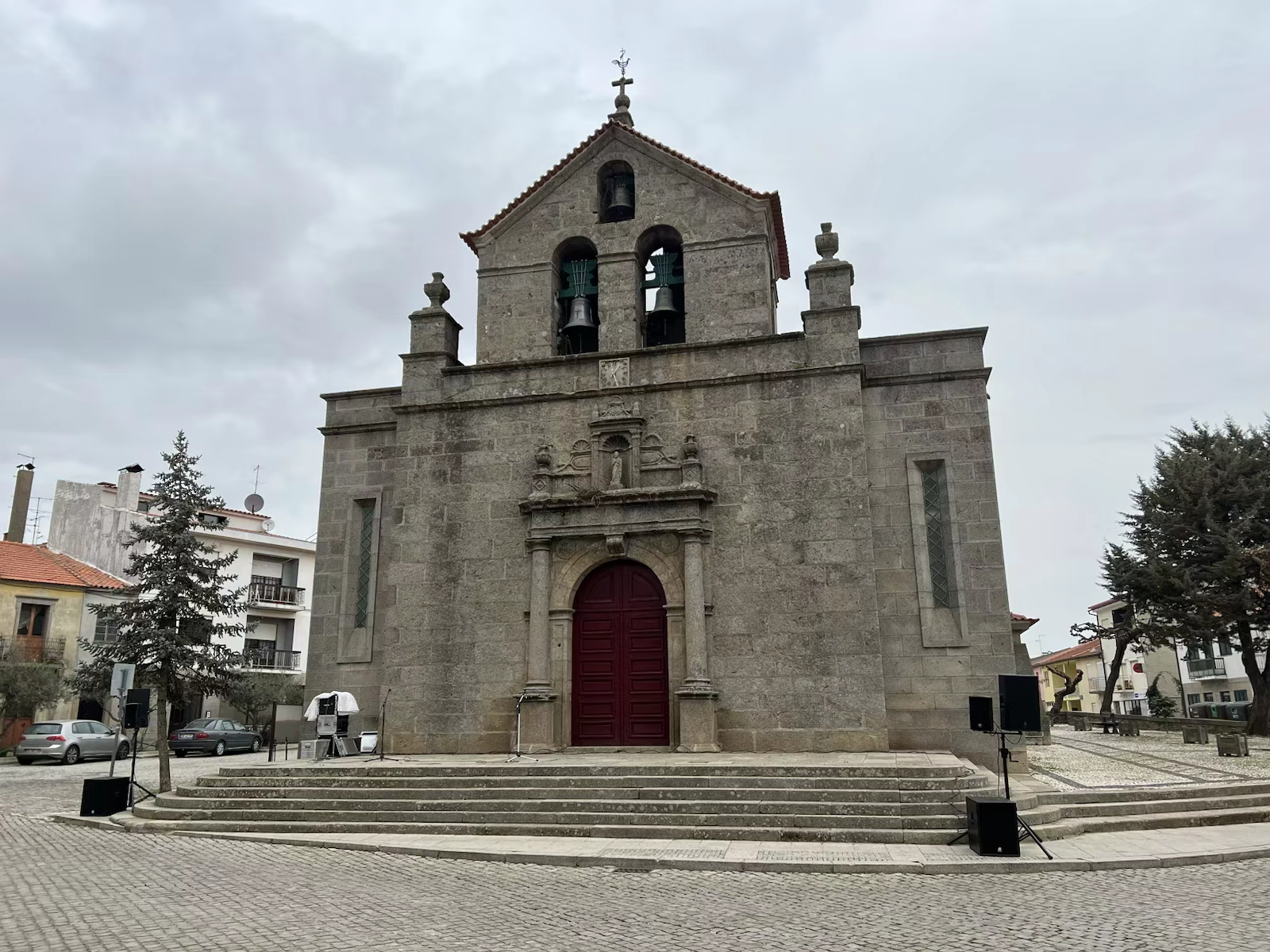
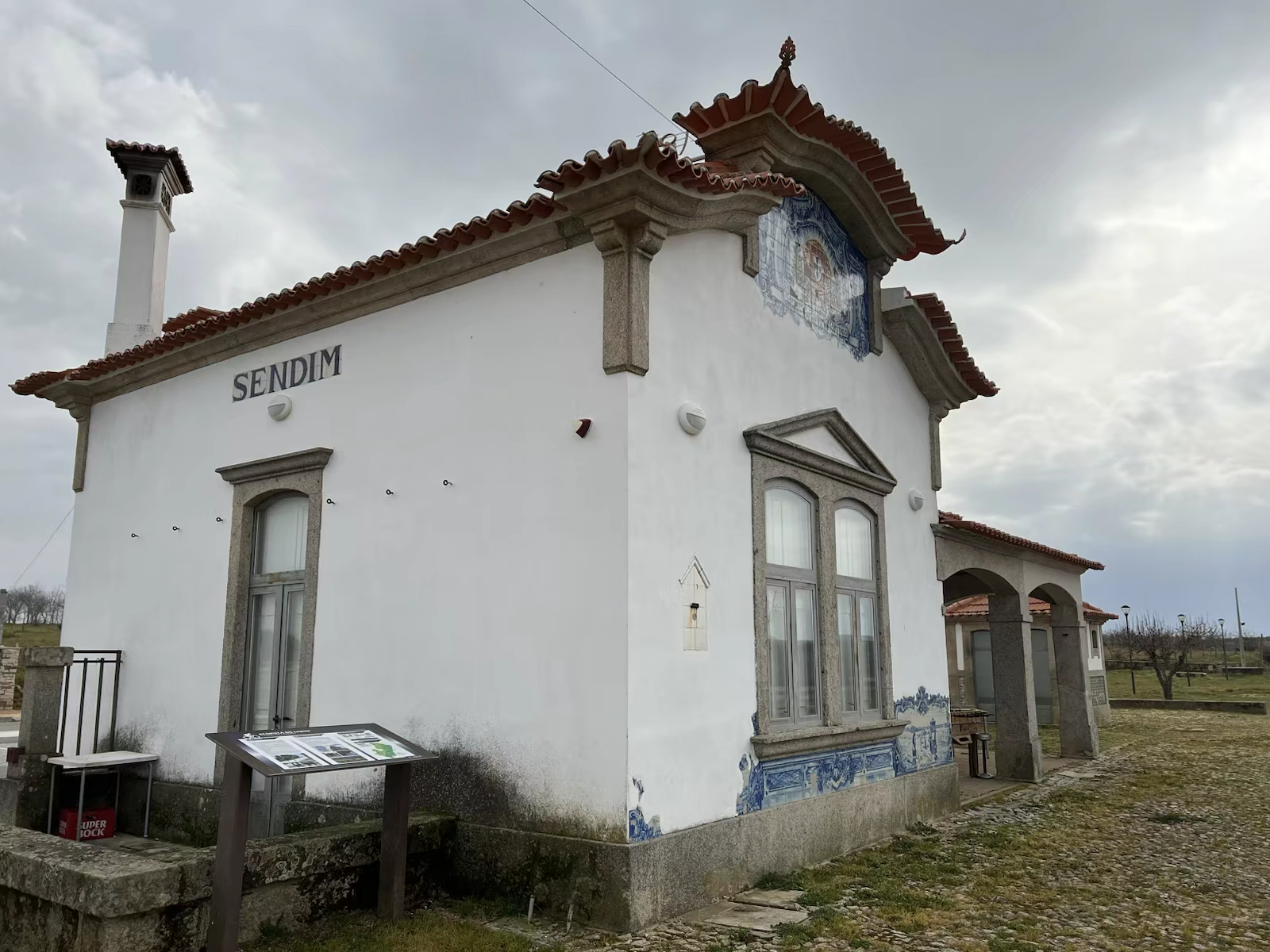
In Sendim we had lunch at Gabriela, a restaurant we discovered through Fernando Alves’s Viagem a Portugal podcast on TSF, which spoke of it often. The lady who made it famous had passed away, but the family keeps the house and its spirit. We ate an enormous posta mirandesa, the kind that leaves you unable to get up from your chair. Heavy, but worth every forkful — and what Saramago says about the happiness of the body fits this place rather well.
Mogadouro
«do alto do castelo se podem deitar contas ao trabalho dos homens e das mulheres deste lugar»
— José Saramago, Viagem a Portugal
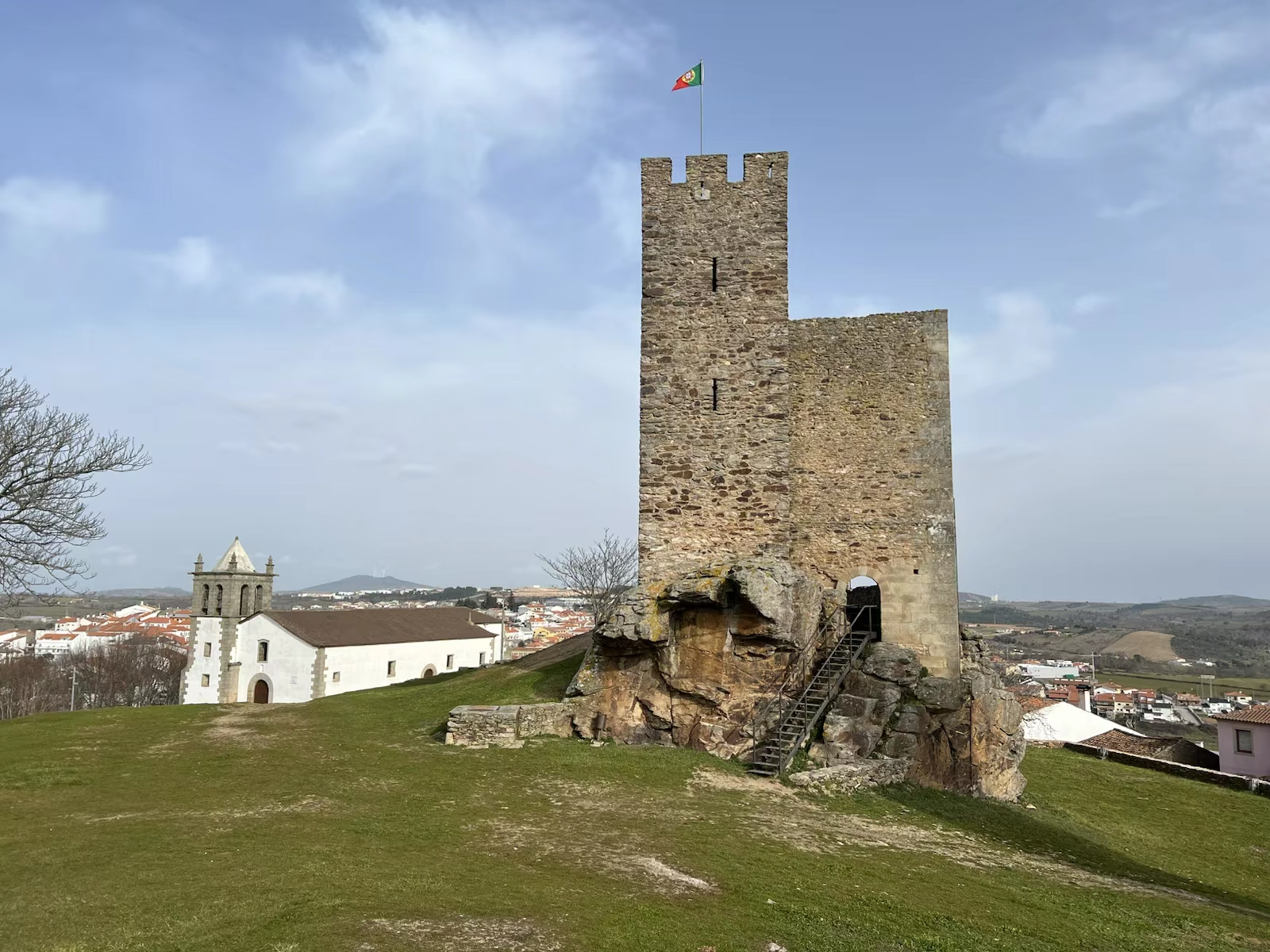
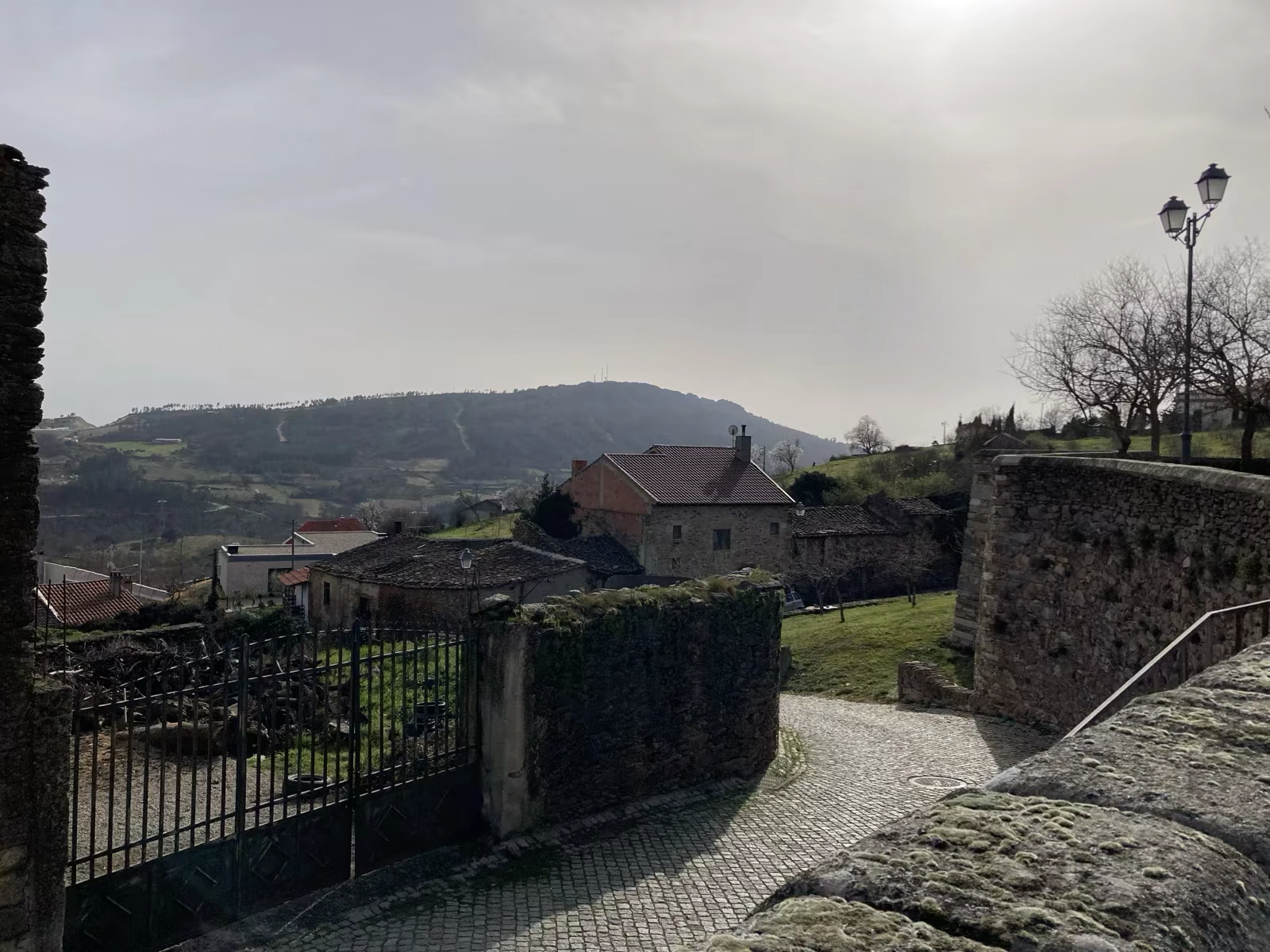
From Mogadouro we kept above all the castle, up on its height, alone over the lands, a few houses further down. We went looking for it, climbed up, and little more. We met nobody, and truth be told not much else stayed with us.
Vimioso
«sentado nos degraus que dão acesso ao adro, o viajante ouve contar uma história da história da construção do templo»
— José Saramago, Viagem a Portugal
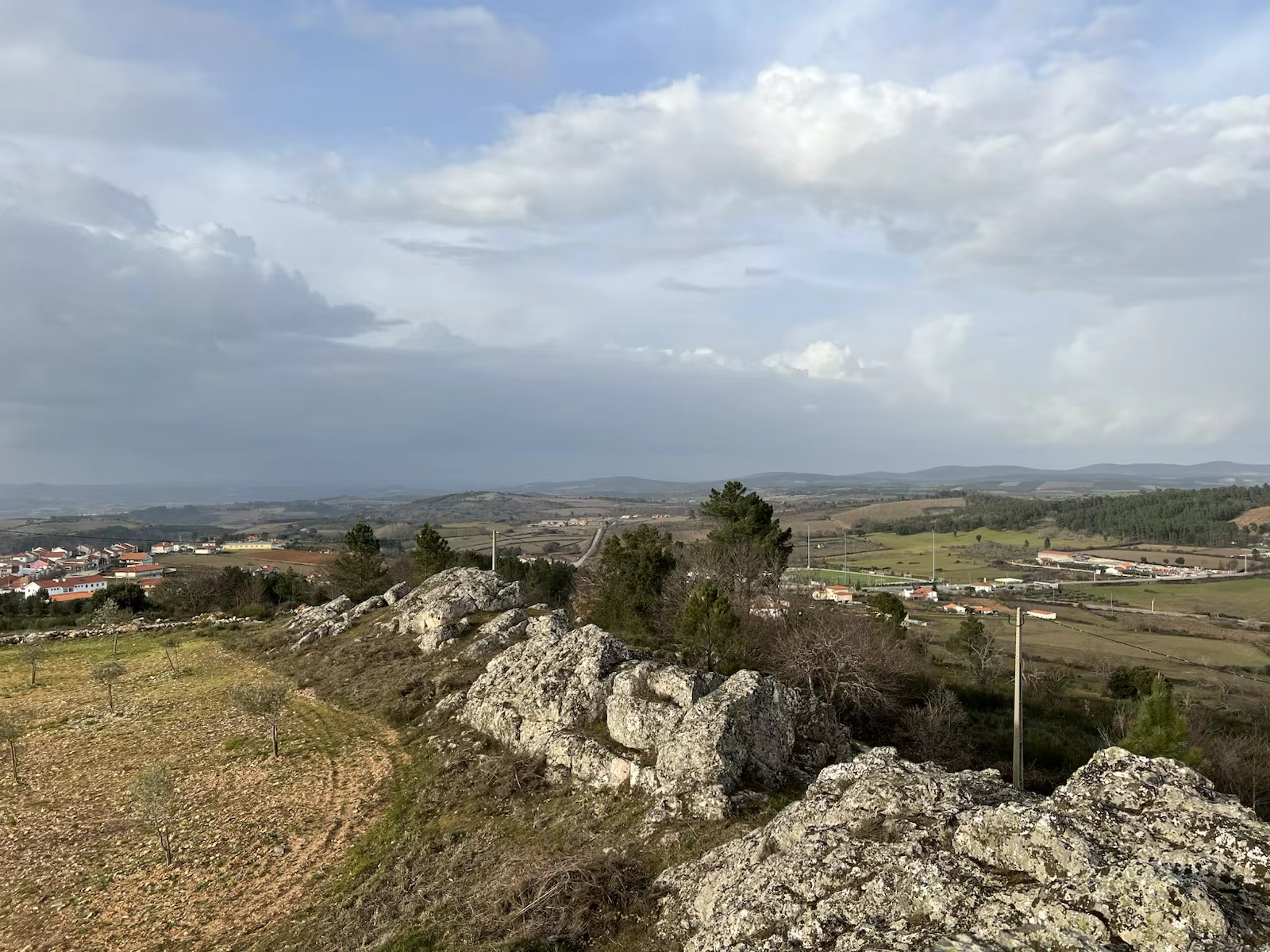
Vimioso was a name that rang a bell, a place we wanted to know but which, in all honesty, left us with almost nothing. Another small town with its church, where we stopped and moved on.
Day 5 — Wednesday, 22 February
The day’s route: Guadramil, Rio de Onor, Bragança.
Another of the favourite days, now heading for the north-easternmost corner of everything, up on the border, before coming down to Bragança.
Guadramil
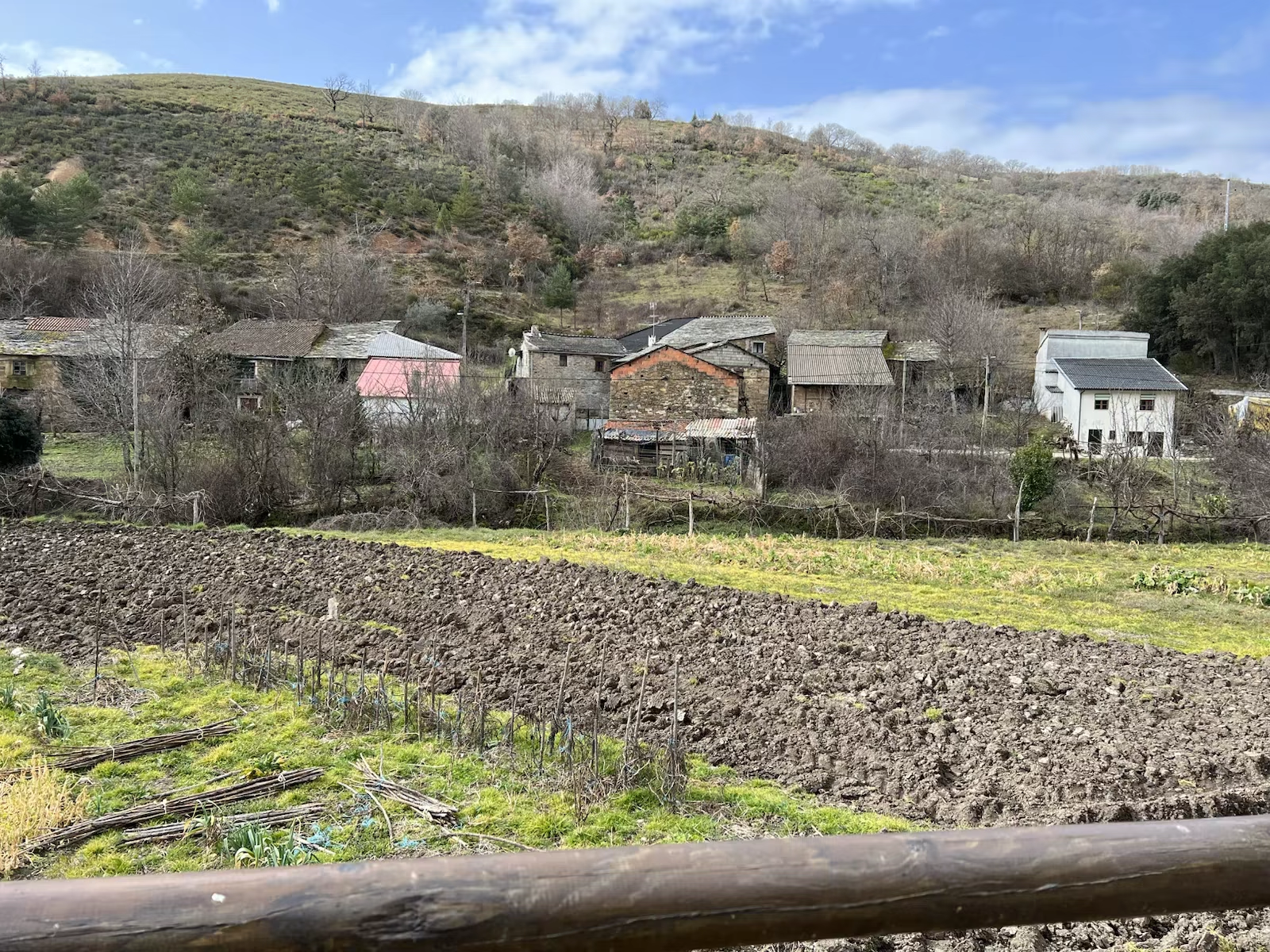
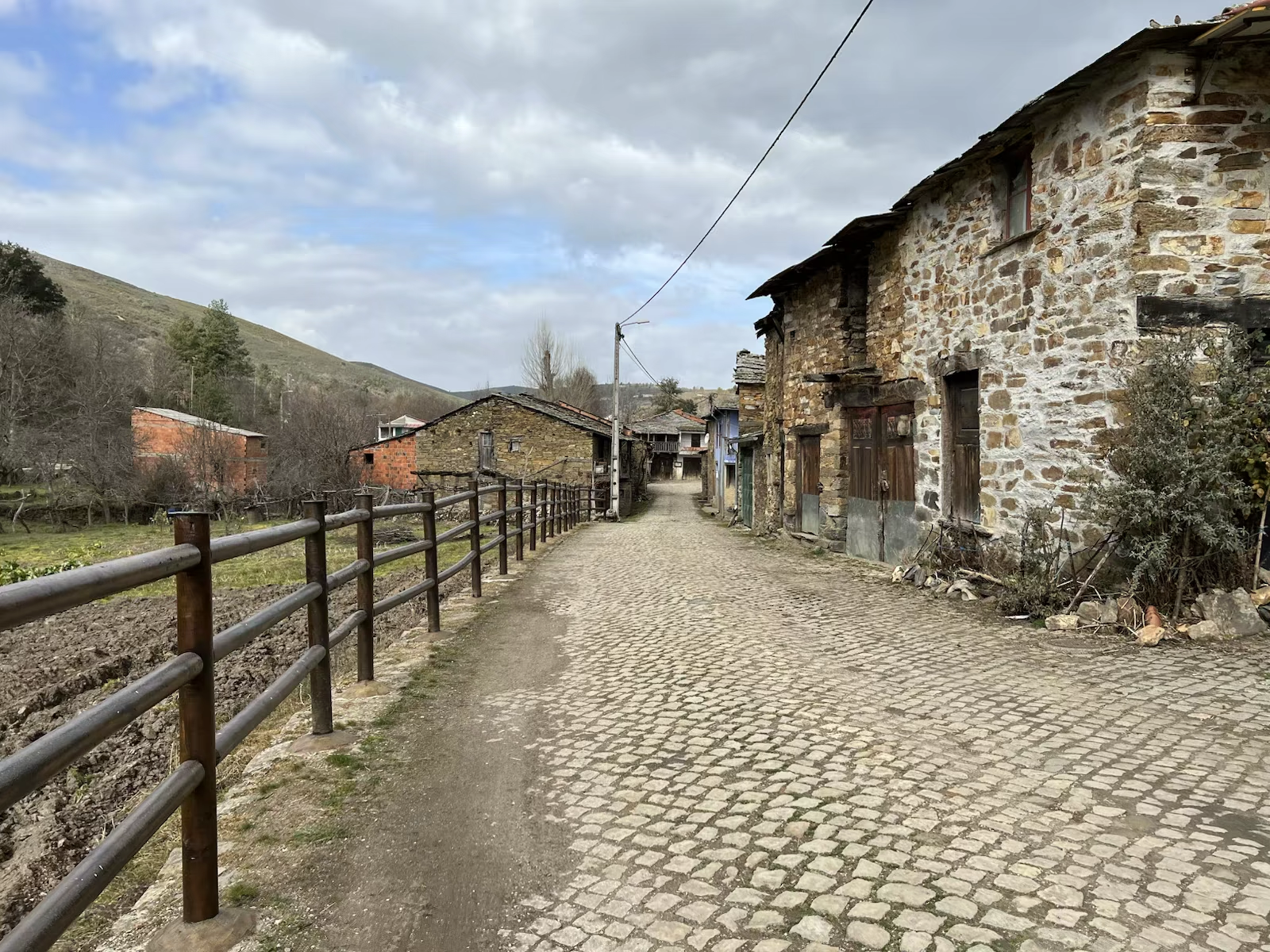
Guadramil must have about ten inhabitants and, that day, they all seemed to be outside: some men tinkering with their cars, some women sitting by their doors. It’s a place that feels genuinely beyond civilisation, with its little cobbled lanes and a small river running through. One image stayed with us, and we still regret it: a woman sitting on the far bank, watching the water. We wanted to take her photograph, but we were too shy, and didn’t.
Rio de Onor
«Dobrou-se uma curva, aparece entre as árvores um luzeiro de água, ouve-se um restolhar líquido sobre as fragas, e depois há uma ponte de pedra.»
— José Saramago, Viagem a Portugal
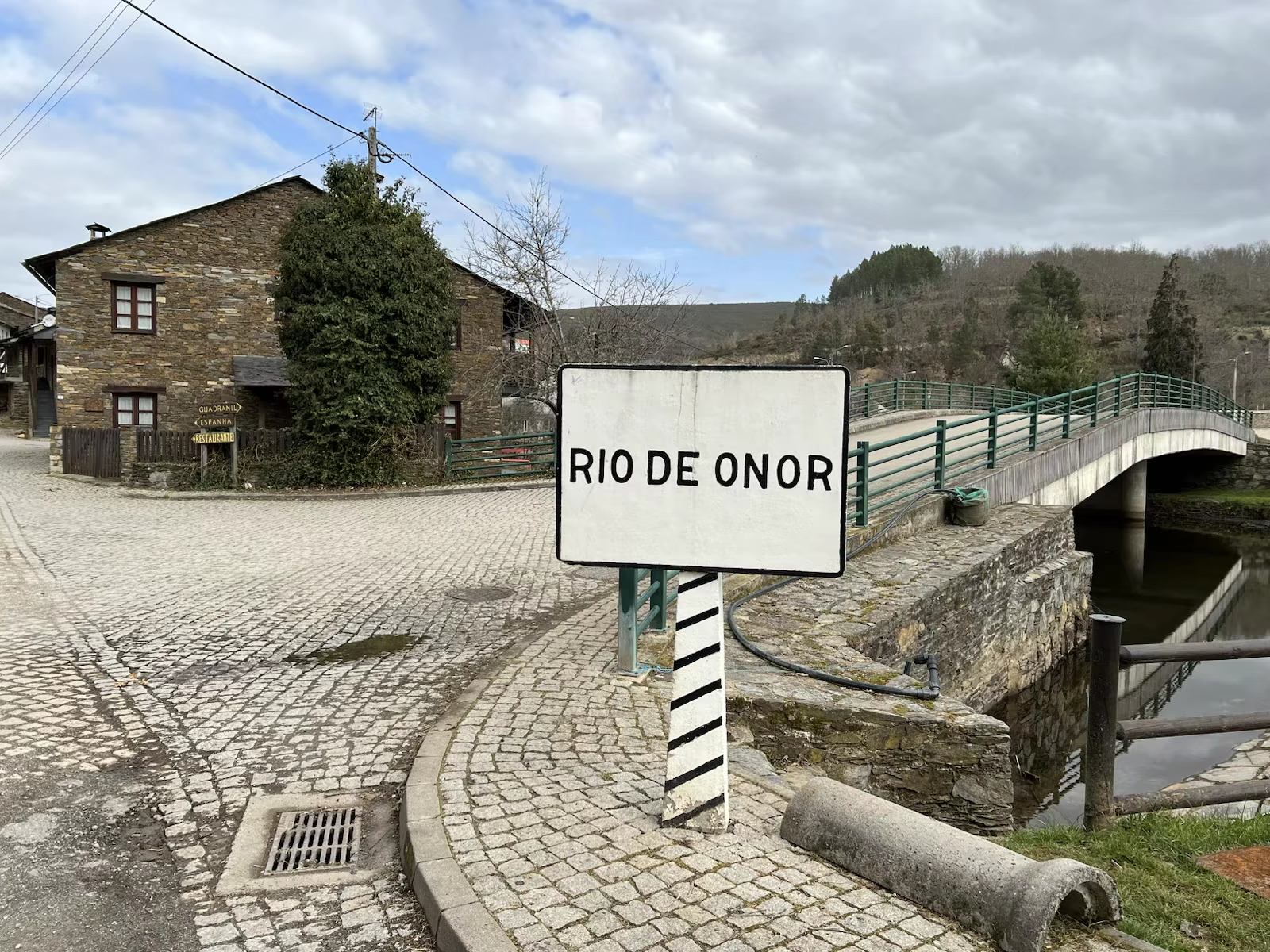
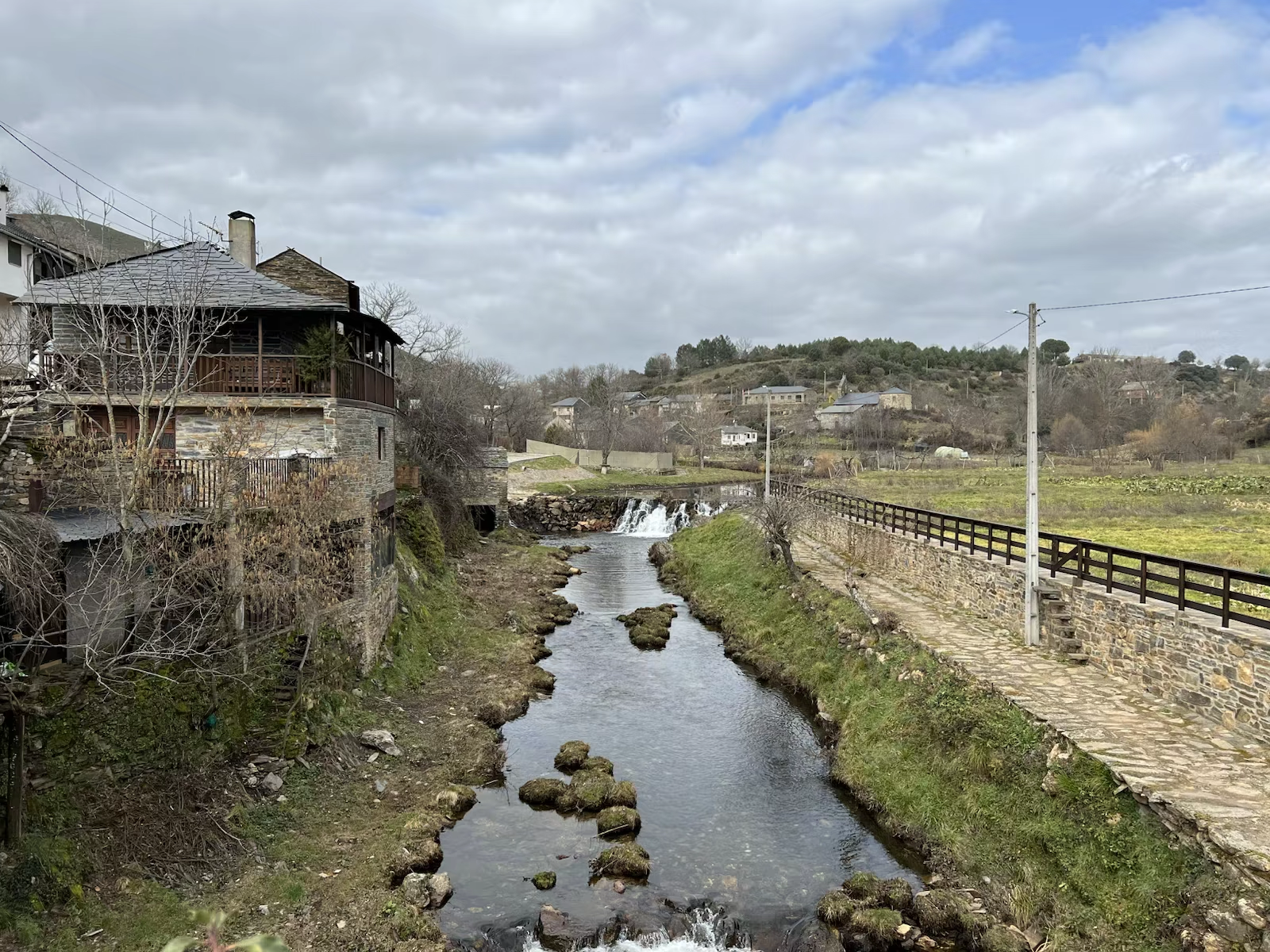
Rio de Onor is a village split in two by the border: you cross from Portugal into Spain without noticing, still inside the same village. The Portuguese side, the older one, has its houses leaning against the river and a stone bridge, just like the bend Saramago describes. The Spanish side, right there, is more modern, and even had a pharmacy — things this side did not. There was hardly anyone to be seen, just a café and some vegetable gardens, but you could tell people still live there. It makes you think that, on this side, the nearest city is Bragança — far away, and hard to reach.
Bragança
«desta encosta se vê Bragança. A tarde apaga-se rapidamente, o viajante vai cansado»
— José Saramago, Viagem a Portugal
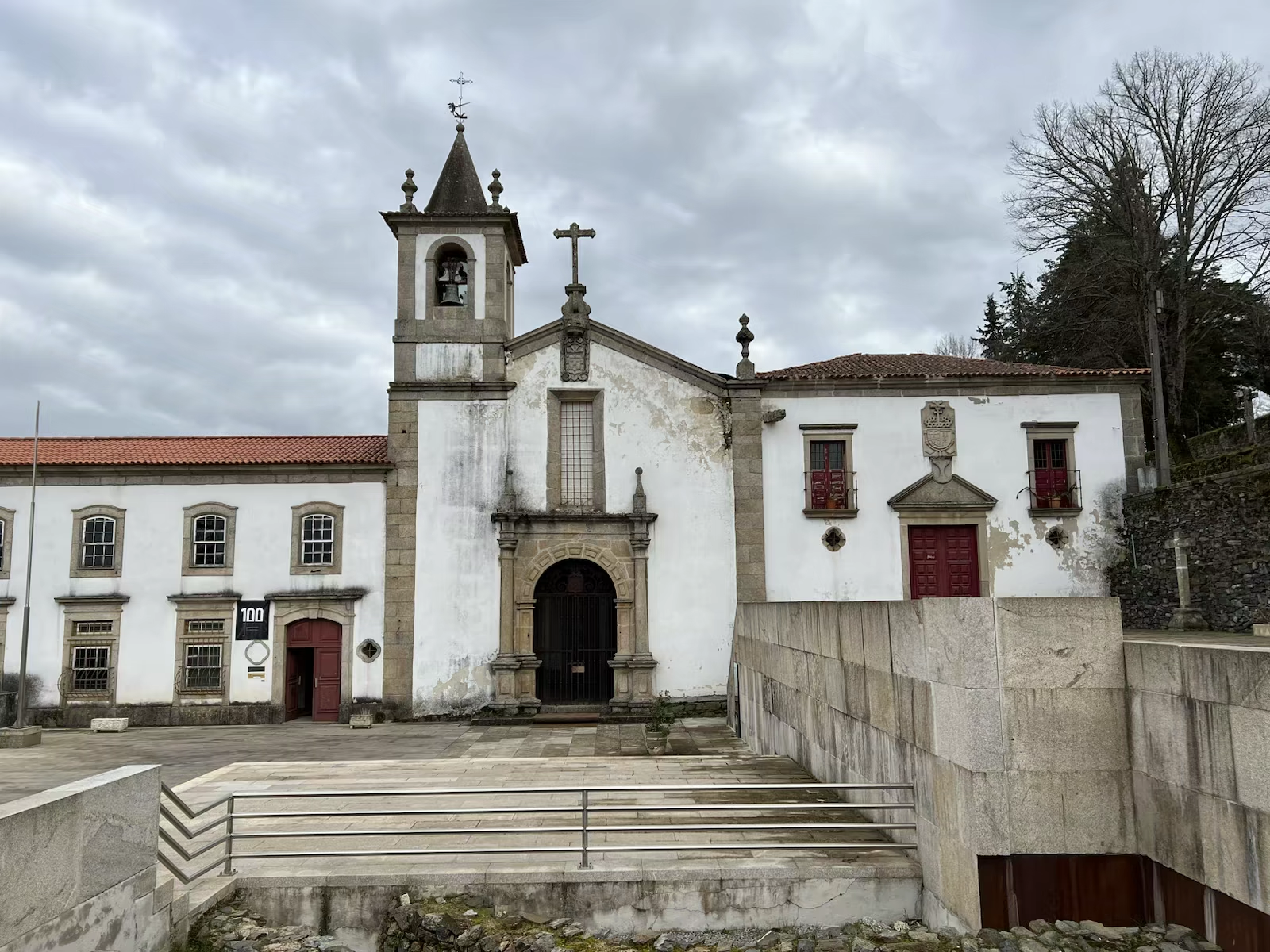
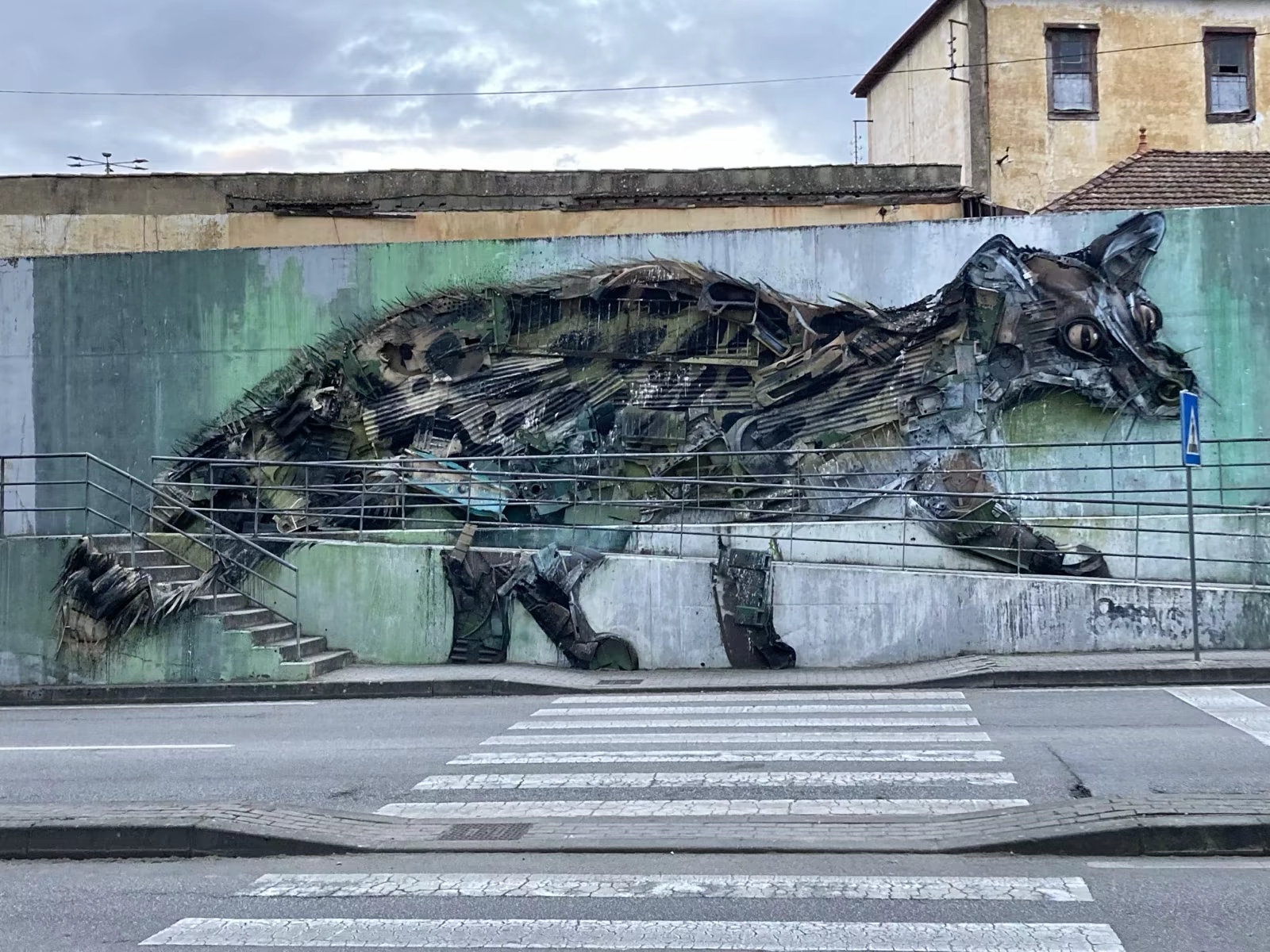
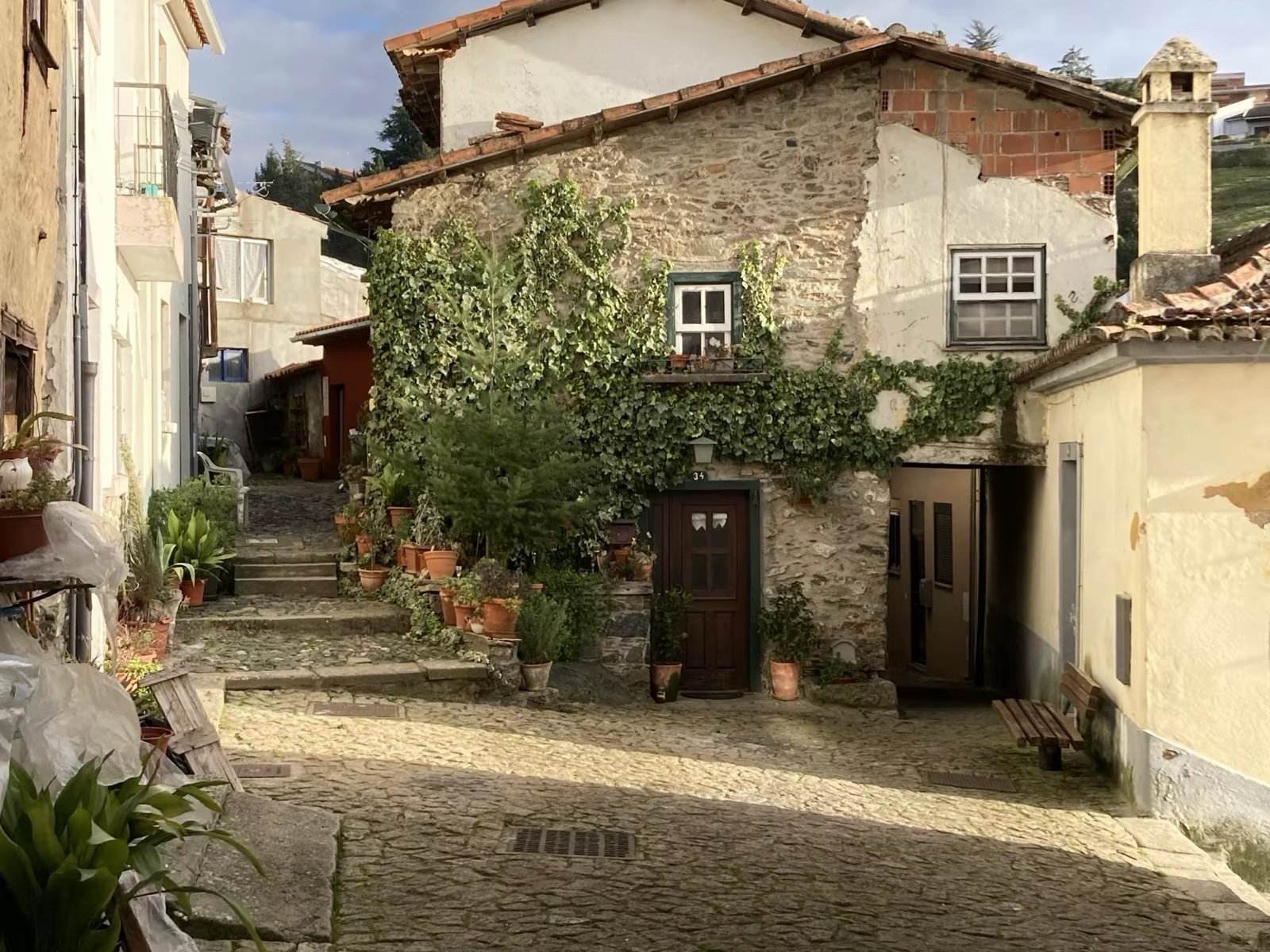
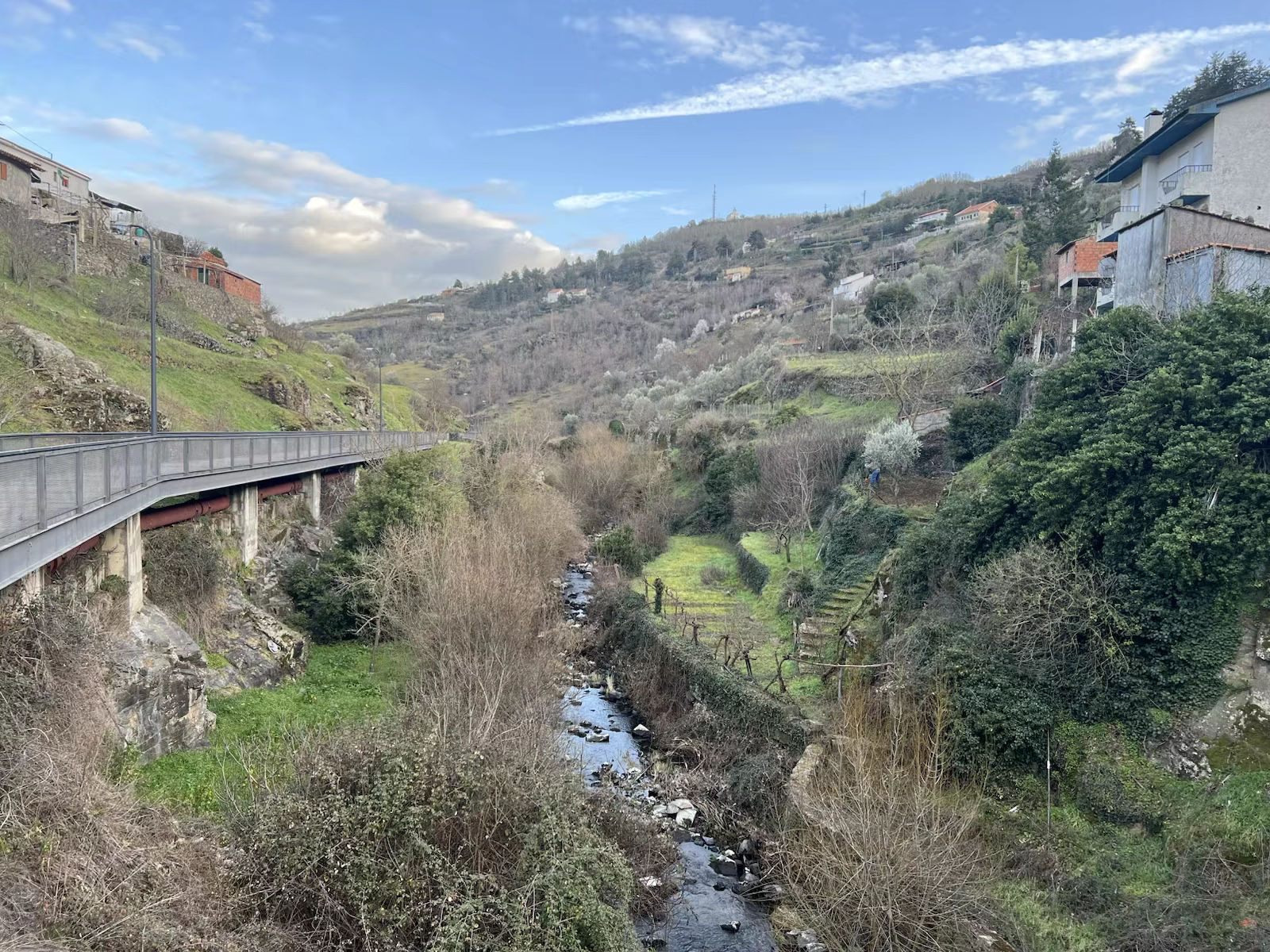
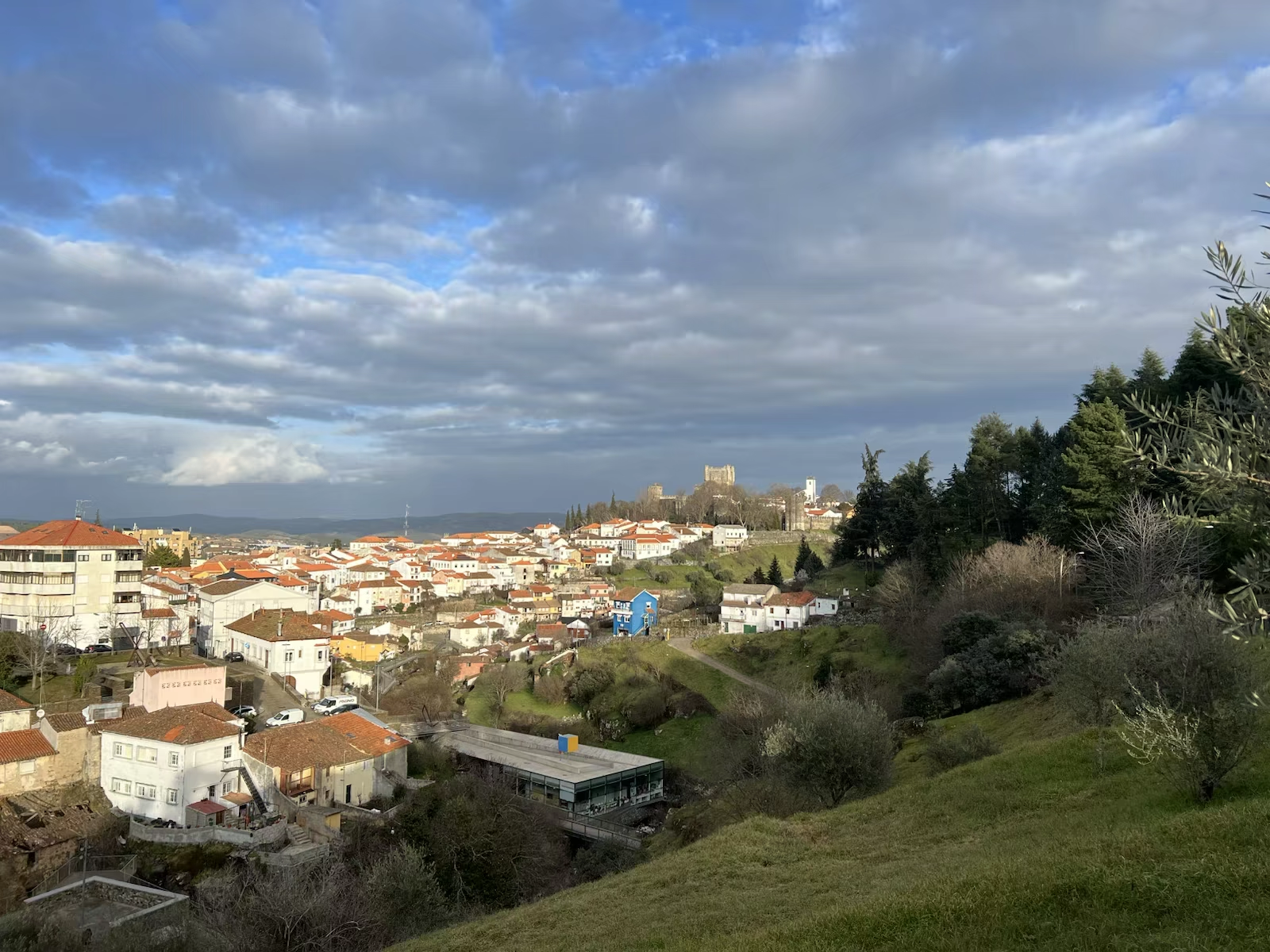
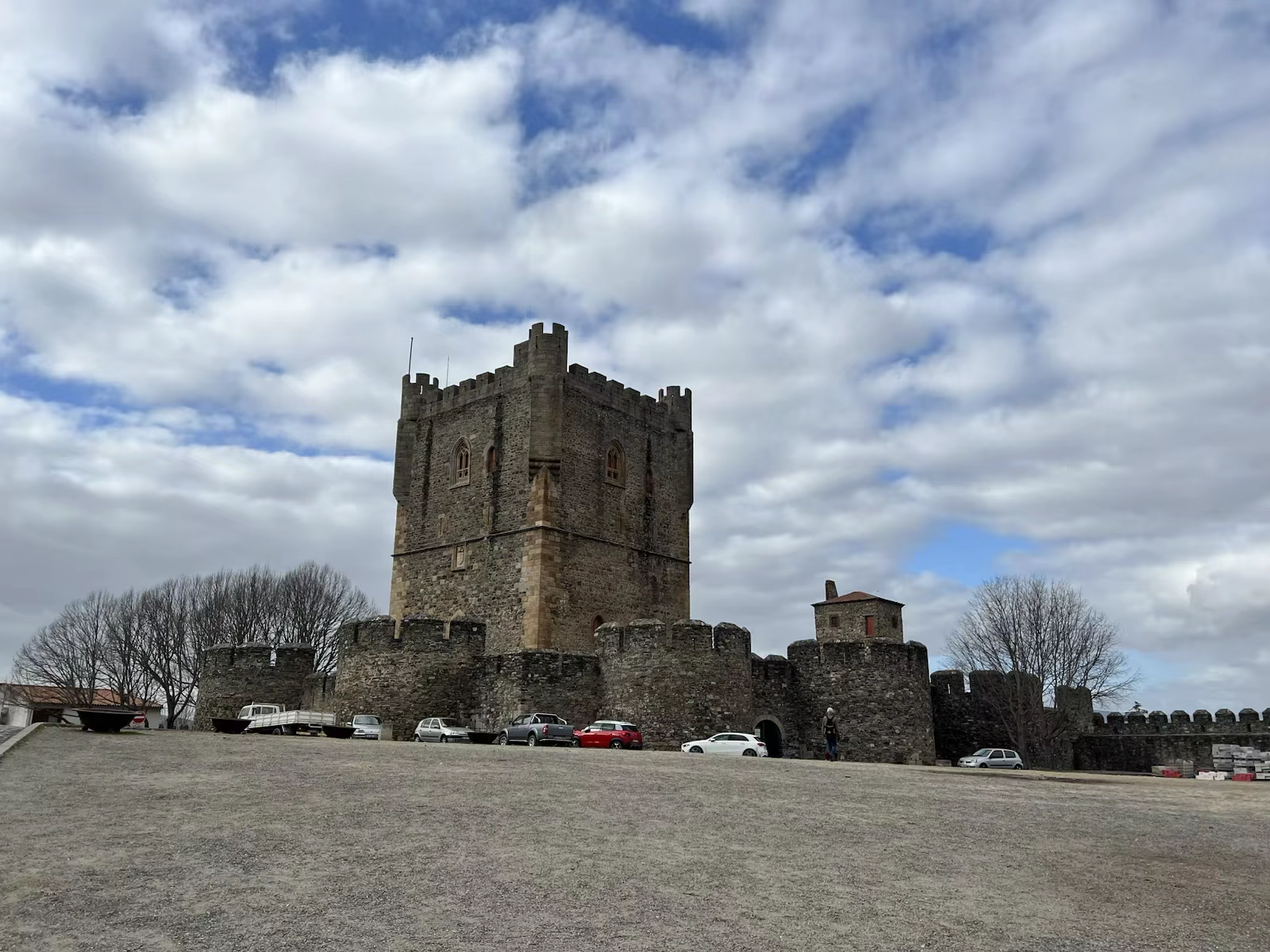
Bragança was the biggest city of the trip after Coimbra, and you could feel the difference: it has a university, walkways along the river and, like Coimbra, hills without end. Saramago also arrived here tired, and we understood him perfectly. Around the city we came across a genet — one of Bordalo II’s animal sculptures made of rubbish — and the Georges Dussaud Photography Centre, where we fell for the book Trás-os-Montes, full of old photographs of the region (we hunted for a copy afterwards, but it’s nearly all sold out). For dinner we found Batoque, a small hidden restaurant specialised in mushrooms, with dishes you could eat vegan — a rare thing in these parts. This is also careto country, though the best-known ones, all straw and colour, are from Podence; Carnival was close, but we never caught them.
Day 6 — Thursday, 23 February
The day’s route: Bragança, Vilaverdinho, Mirandela, Carrazedo de Montenegro, Chaves.
A day of many kilometres and many stops, crossing Trás-os-Montes from northeast to northwest, all the way to Chaves.
Bragança
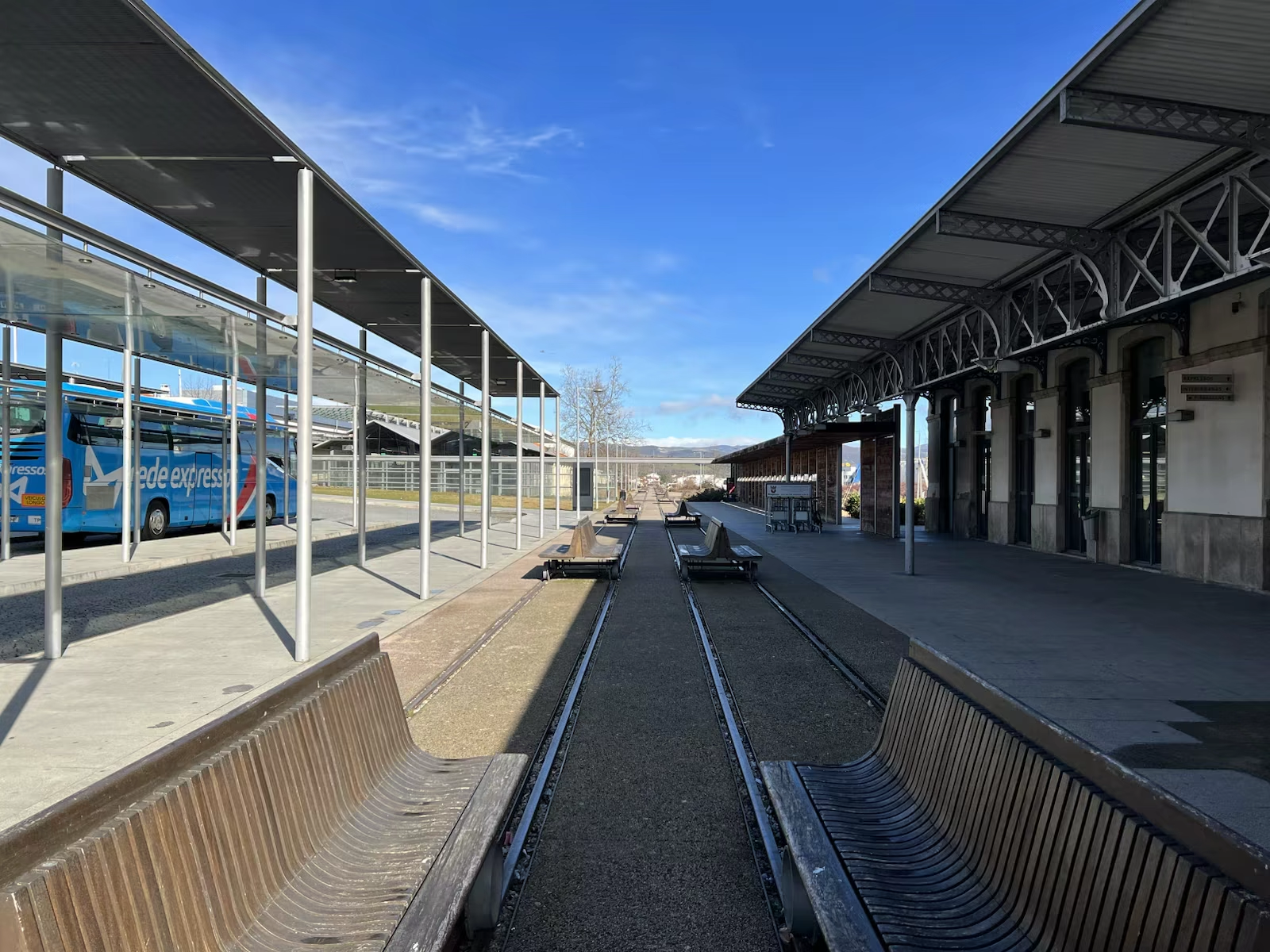
In the morning, before setting off, we went to Bragança’s railway museum, one of the branches of the National Railway Museum, housed in the station — a station without trains. It surprised us: big and well made, better than we expected for a place the line no longer reaches. A good part of it is about the city’s fight not to lose the train, and then to get it back. There was no happy ending: the motorway won, as it almost always does.
Vilaverdinho
«em Vilaverdinho é que soube que a ideia das melhorias foi de um antigo ministro de Obras Públicas»
— José Saramago, Viagem a Portugal
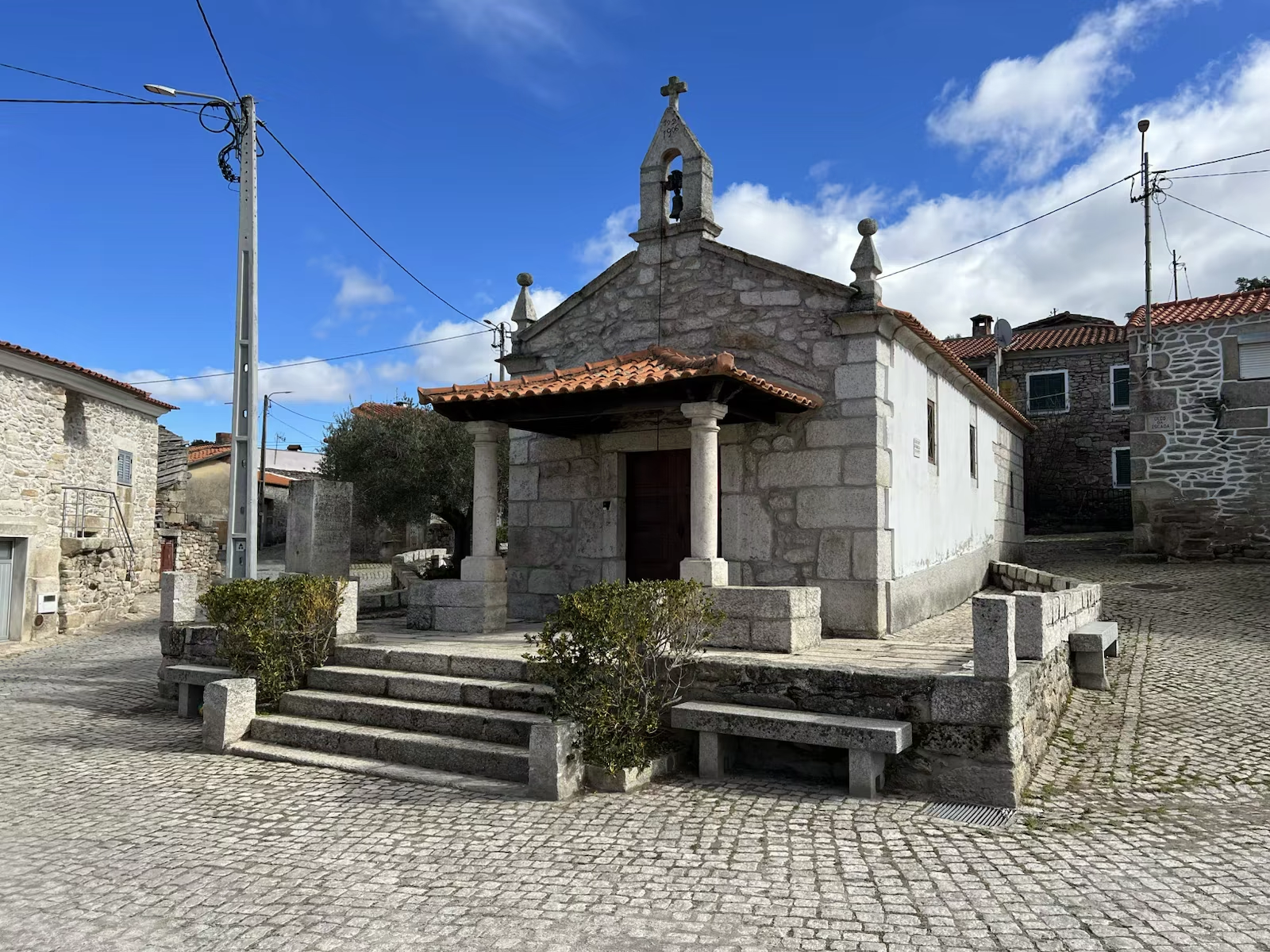
Vilaverdinho is easy to reach, and we confess we didn’t immediately understand why Saramago went there at all — until we remembered he was looking for a chapel. We arrived, walked around the square, and left. Once again, there was not much to see and nobody about.
Mirandela
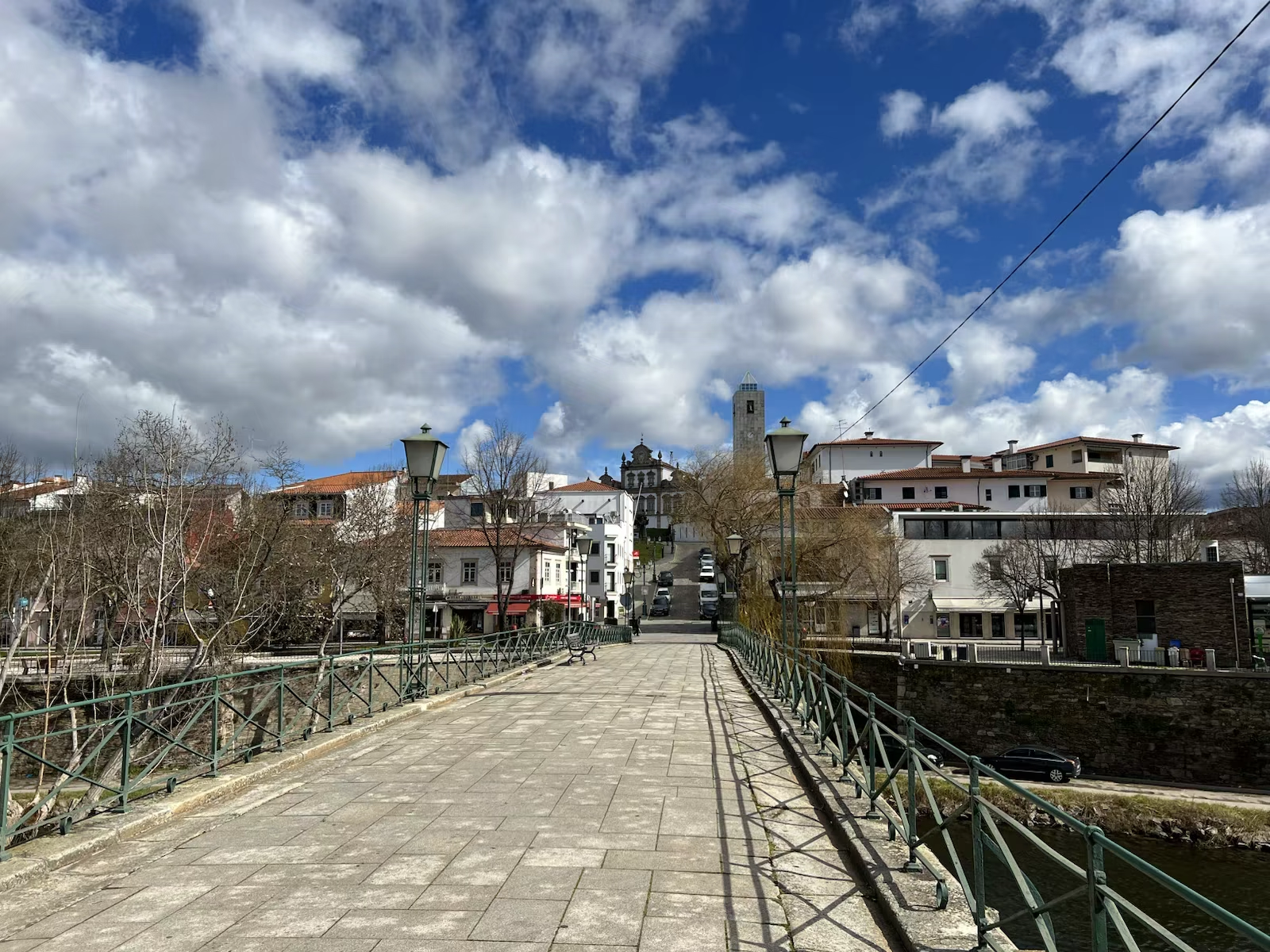
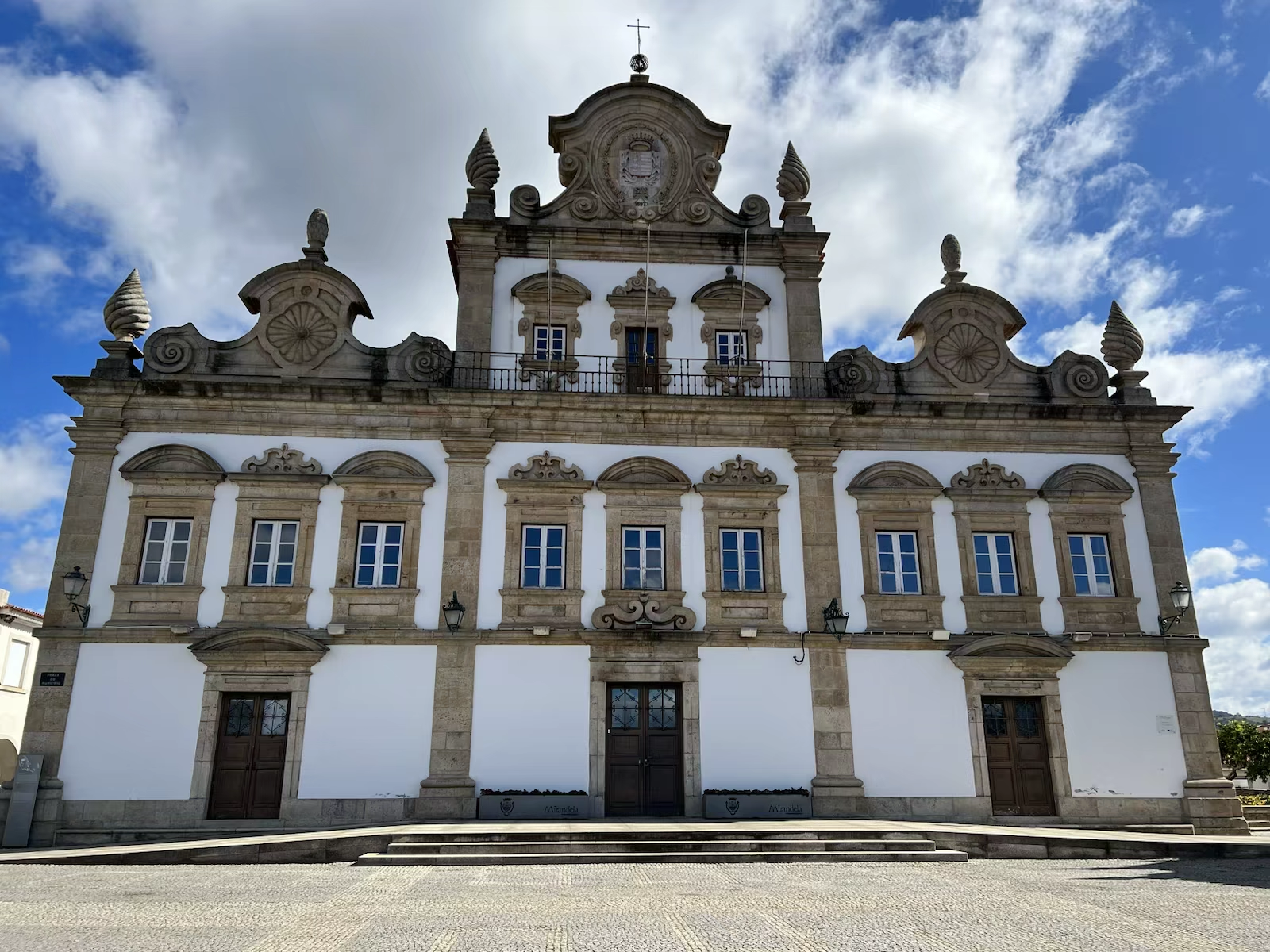
Of Mirandela we must confess a sin: we passed through and did not eat a single alheira, which is very nearly a crime. It’s a bigger city by now, but it struck us as suburban, all new construction without much charm — honestly one of the stops we enjoyed least.
Carrazedo de Montenegro
«deu três passos e achou-se no coro alto, excelente ponto de vista para abarcar toda a nave»
— José Saramago, Viagem a Portugal
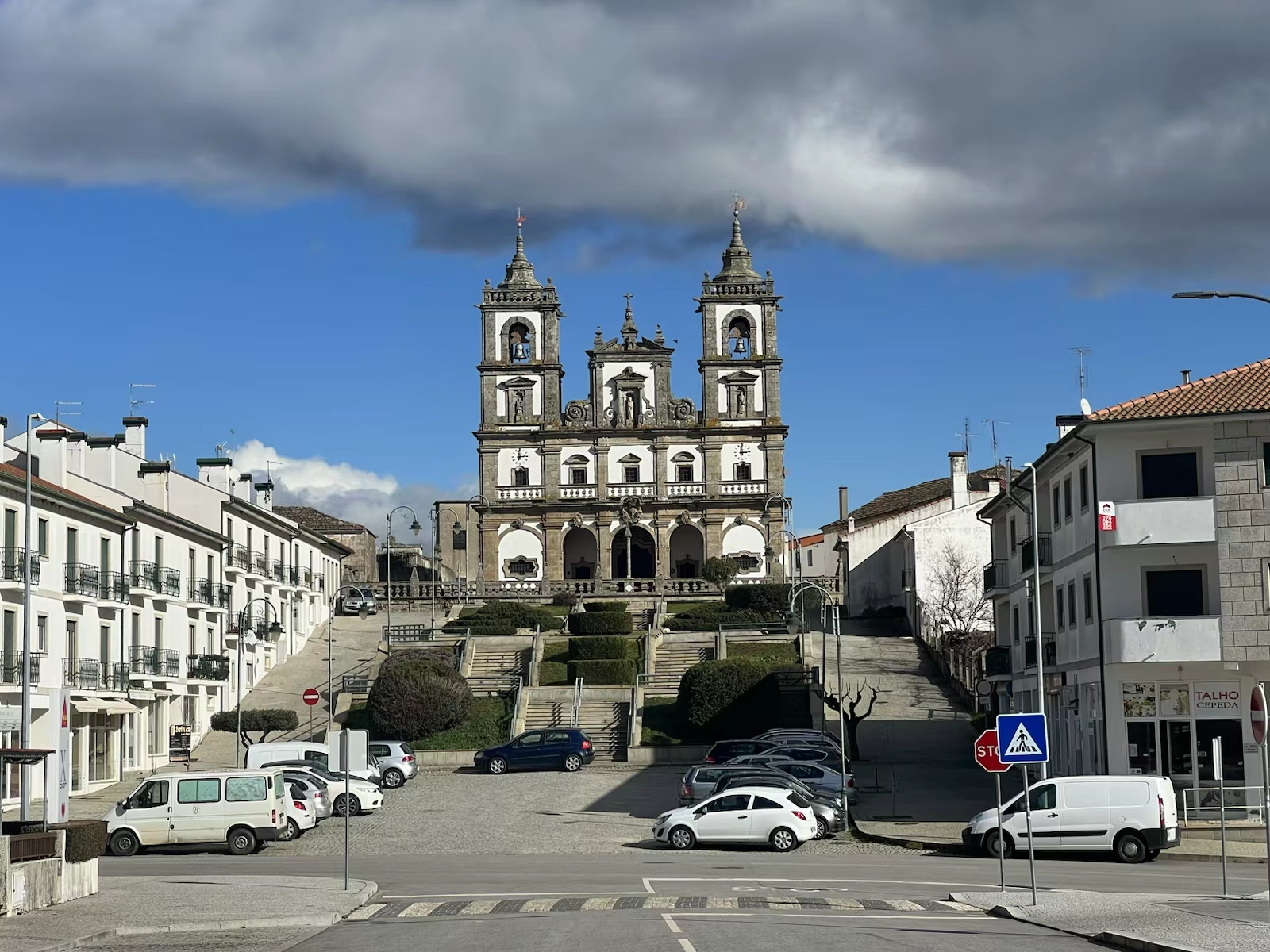
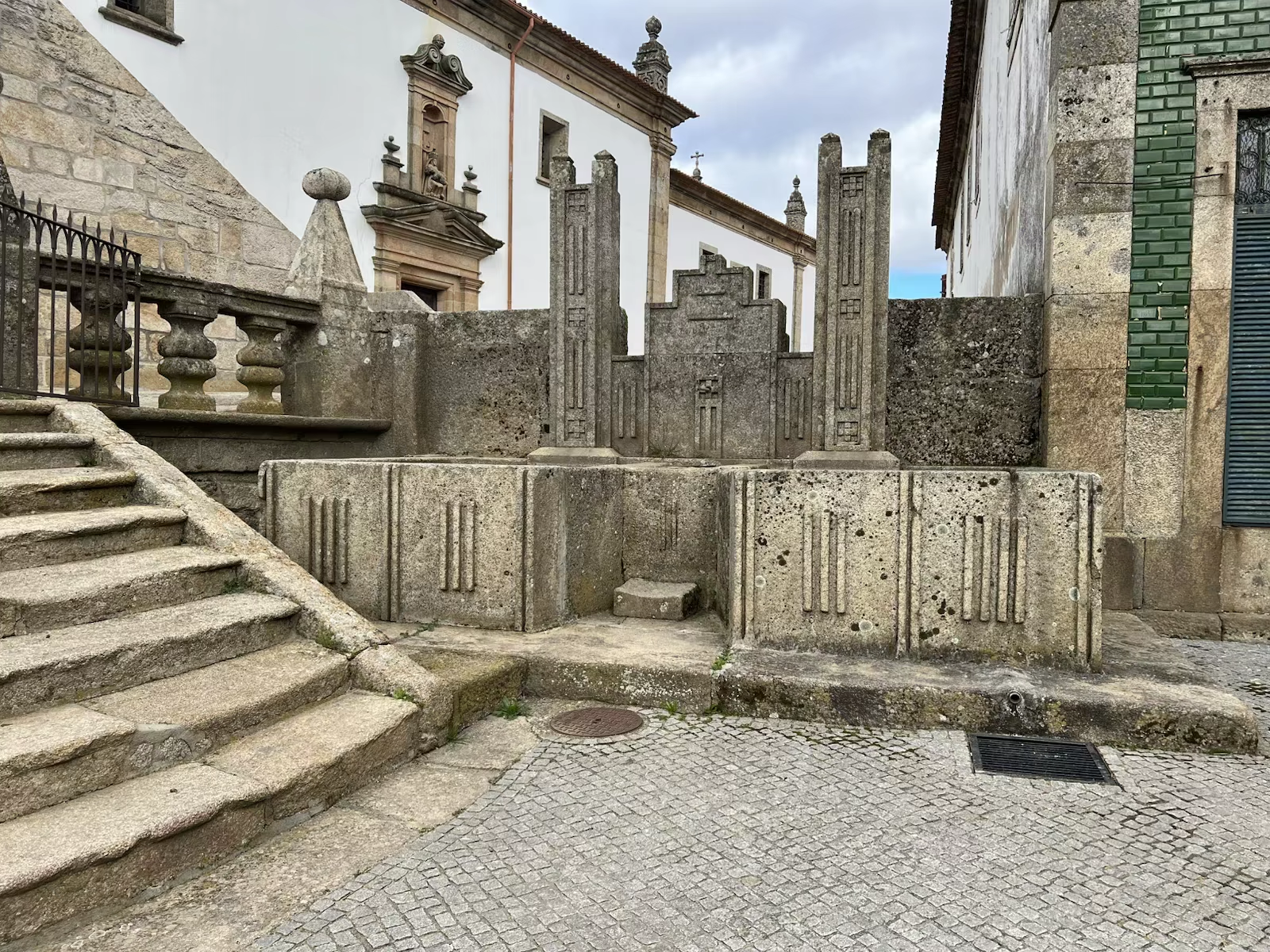
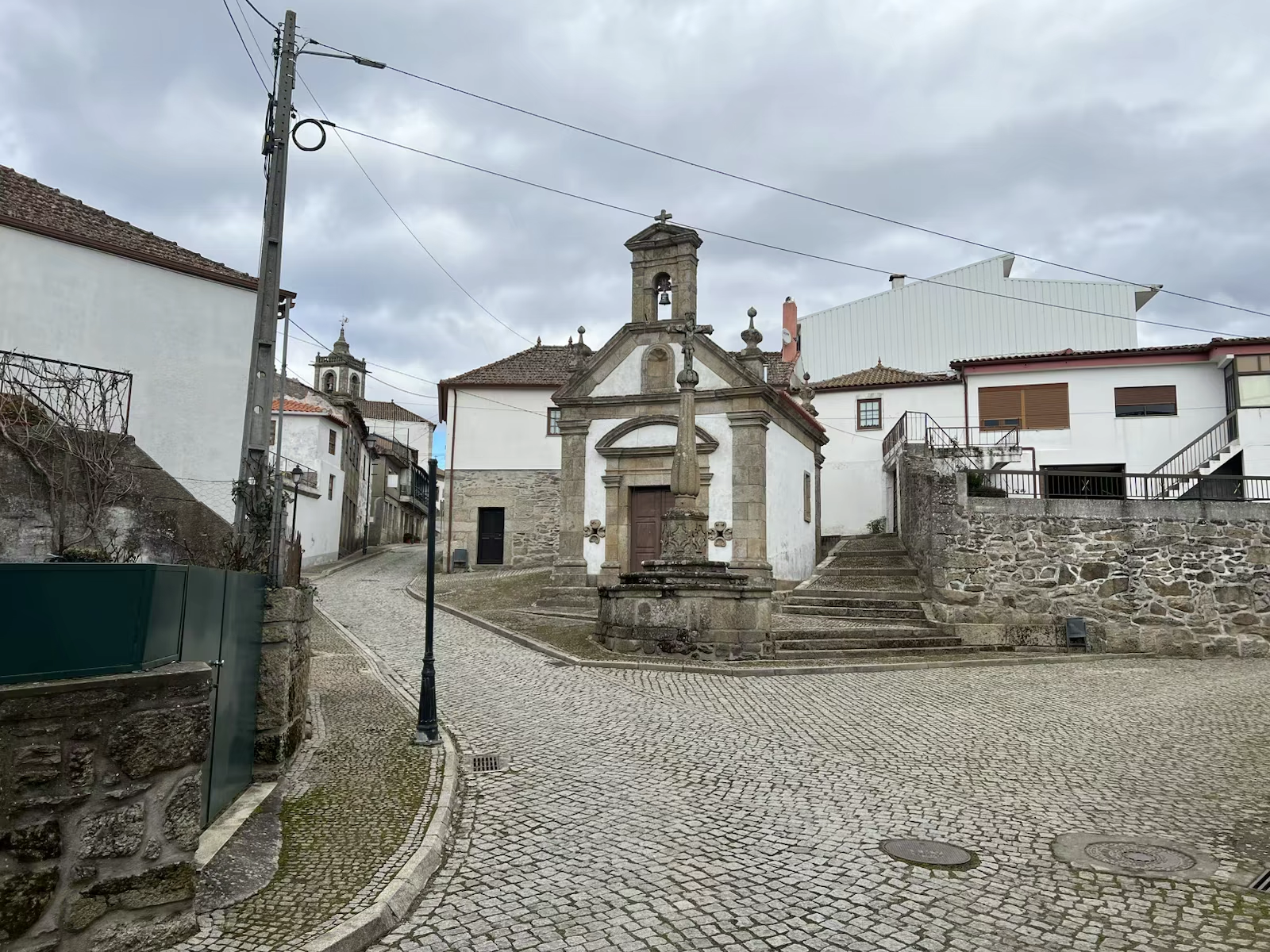
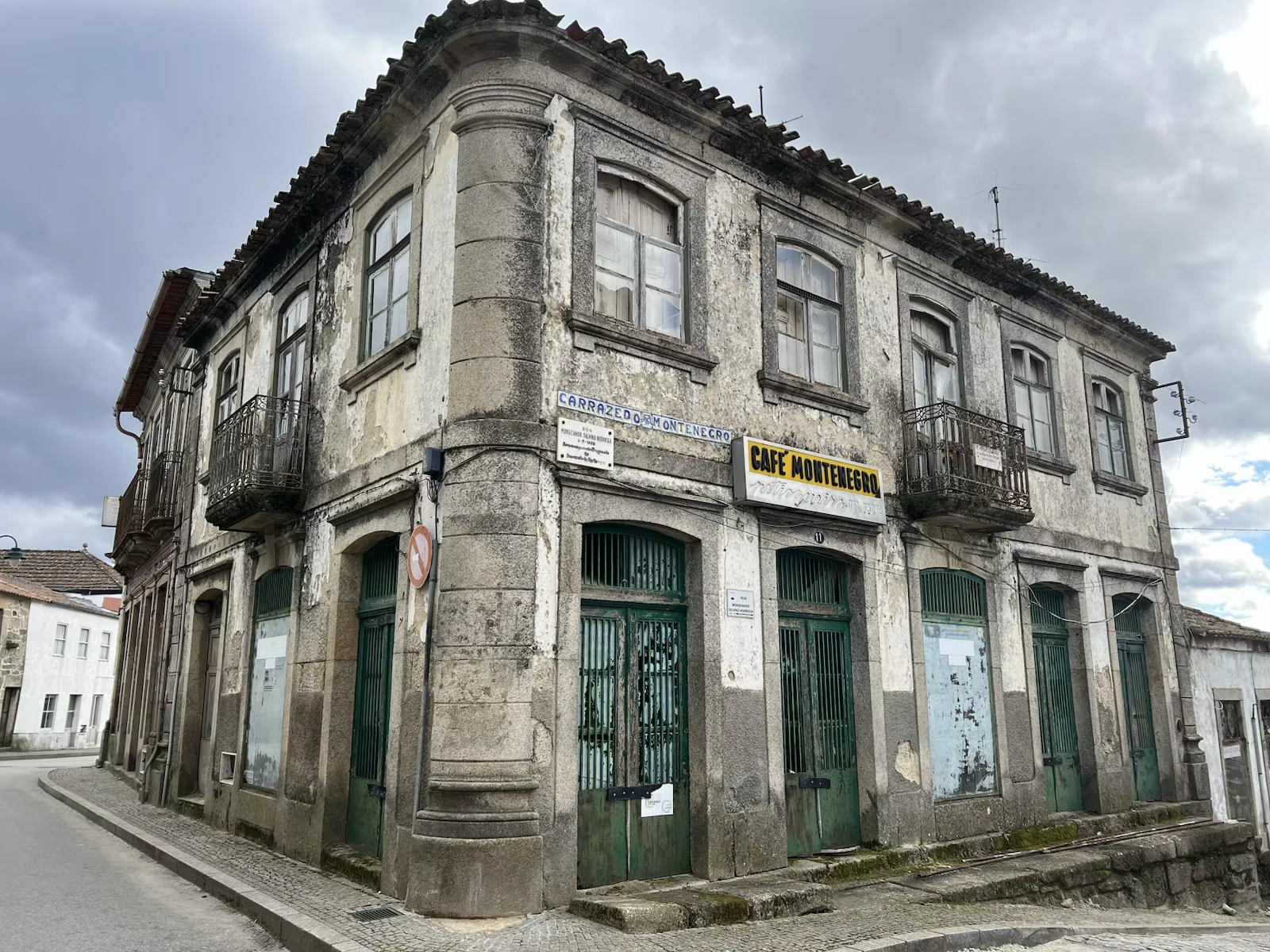
Carrazedo de Montenegro was a surprise. You drive for kilometres with nothing around and suddenly arrive in a town far bigger than you expected — apartment blocks, new houses, young people, even industry. We soon understood why: it’s a sort of chestnut capital. Not exactly pretty, but it had a liveliness we hadn’t seen in a good while.
Chaves
«painéis de azulejos forram de alto a baixo a nave e são uma festa para os olhos»
— José Saramago, Viagem a Portugal
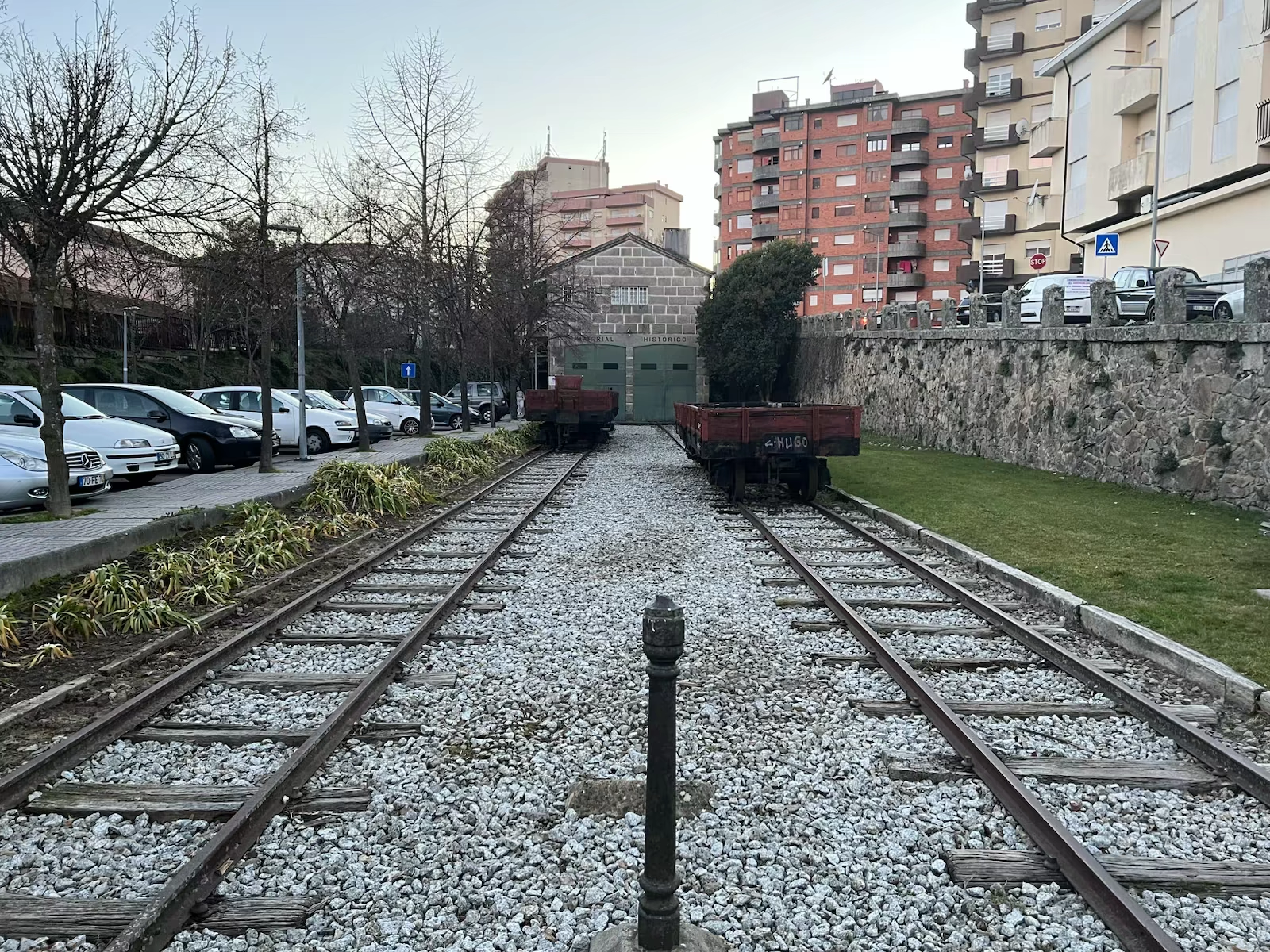
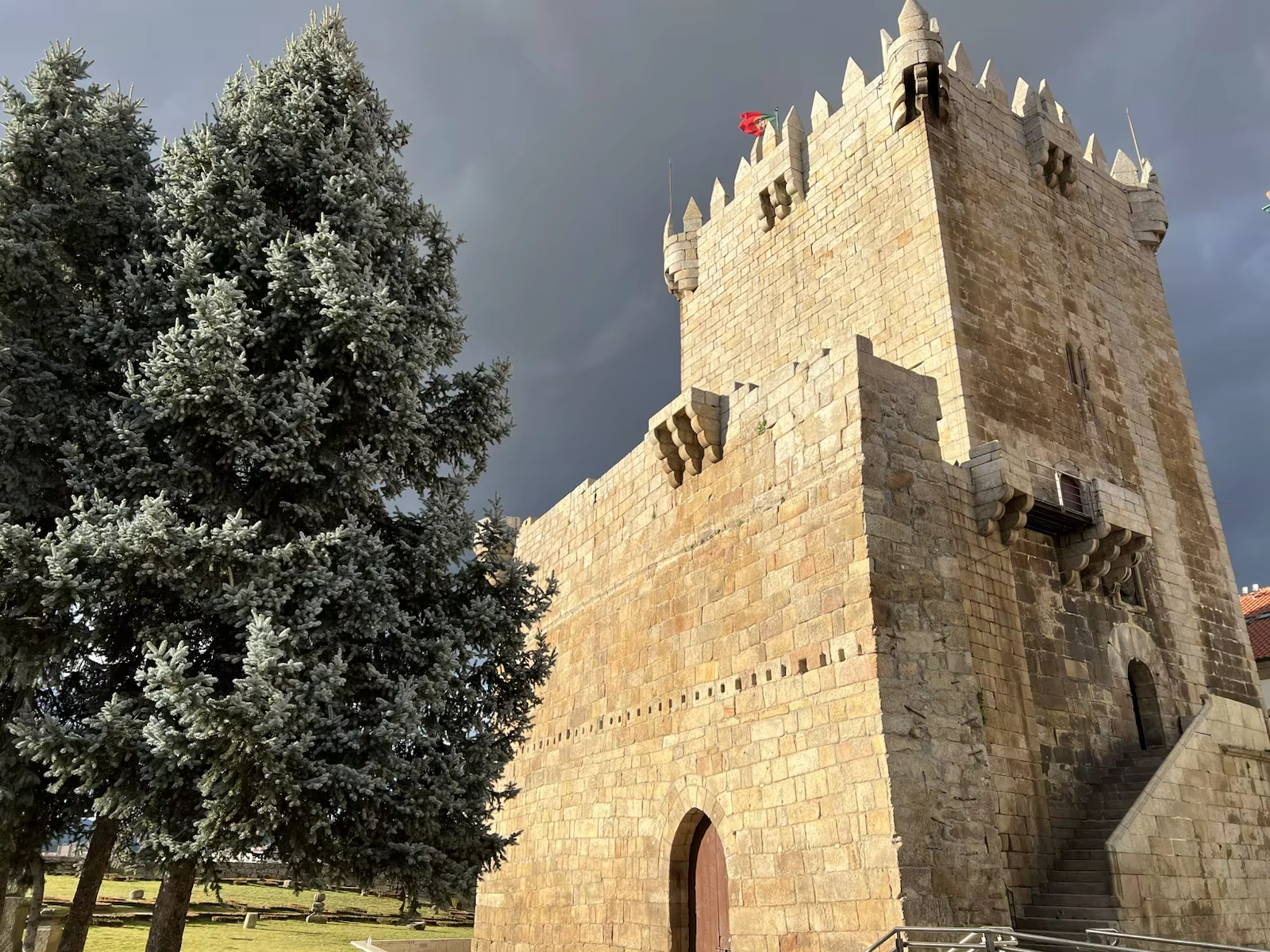
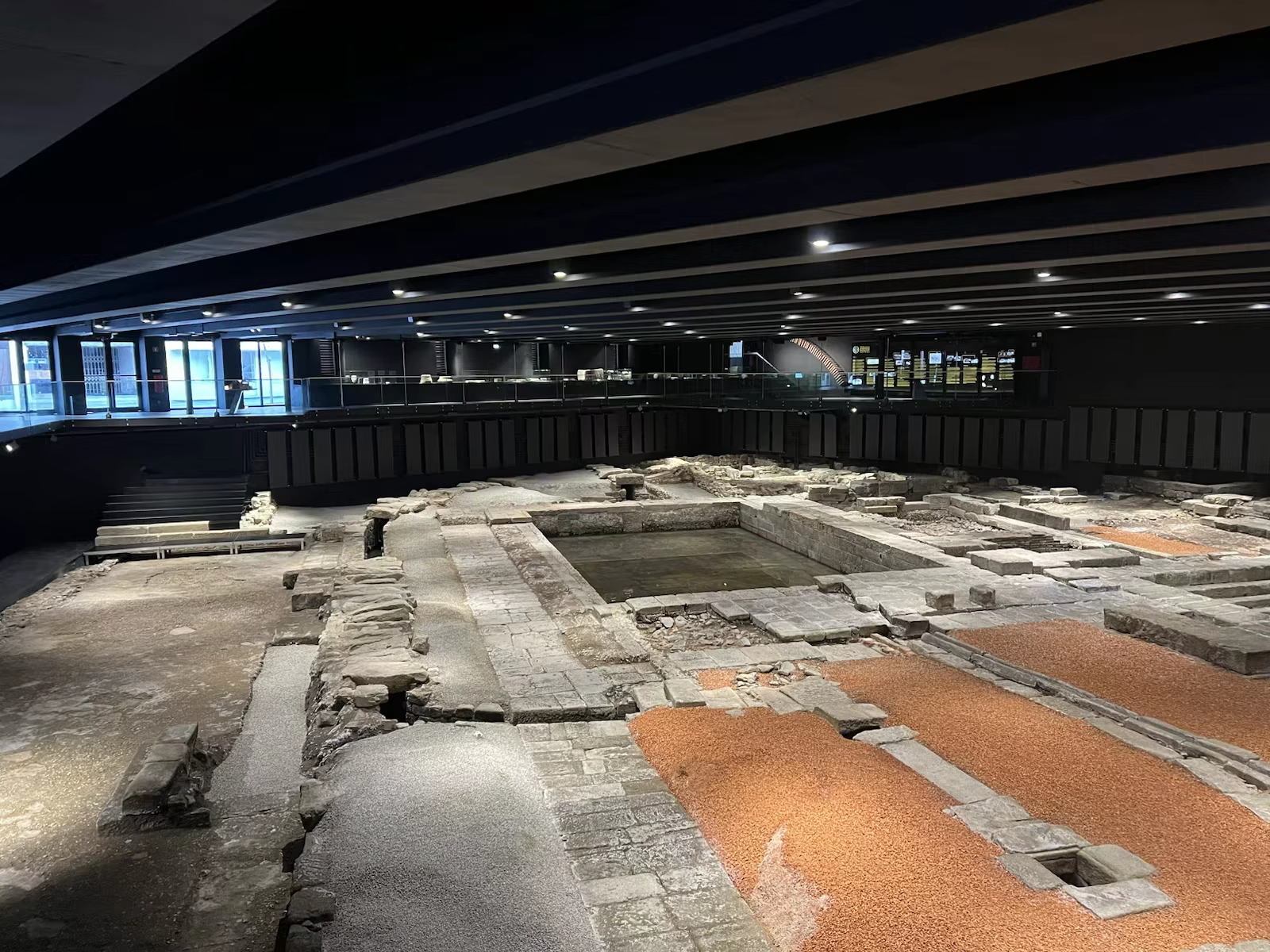
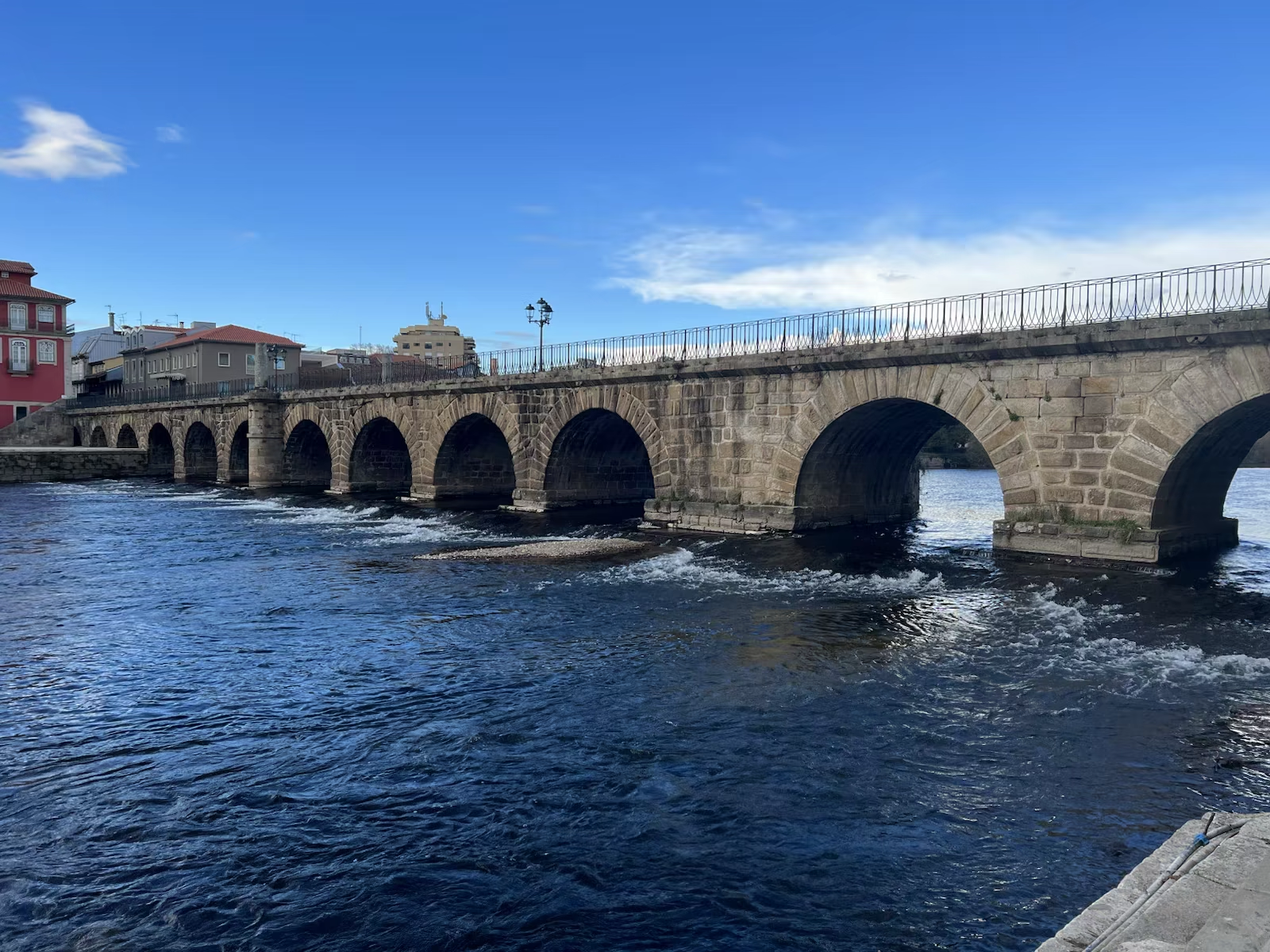
Chaves left us wanting to return. We ate pastéis de Chaves, of course, and a bôla, that bread stuffed with meats. The city has a Roman bridge and Roman remains everywhere — right in the centre, underneath a car park, hide enormous Roman baths. It felt like a good city to live in, with life on both banks of the river. It’s also kilometre zero of the Estrada Nacional 2, and the first place where we saw a city’s name spelled out in those big letters that are now everywhere. The Nacional 2 was once our plan, before the Journey to Portugal took us down roads it doesn’t travel.
Day 7 — Friday, 24 February
The day’s route: Chaves, Pedras Salgadas, Murça.
A morning still in Chaves and then south, stopping at the springs of Pedras Salgadas and in Murça, home of the famous sow.
Pedras Salgadas
Not part of Saramago’s journey: the spa resort of Pedras Salgadas and its park.
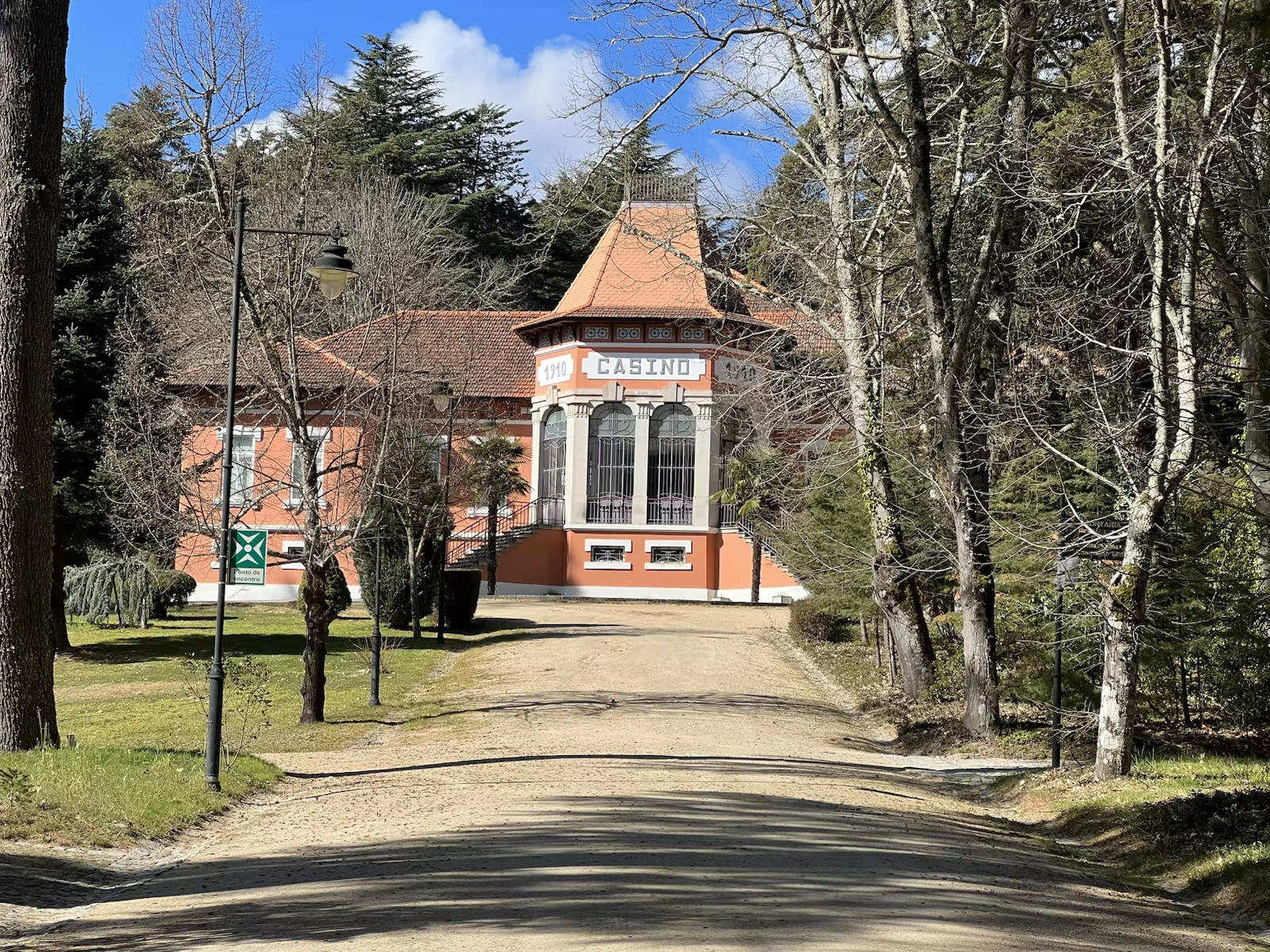
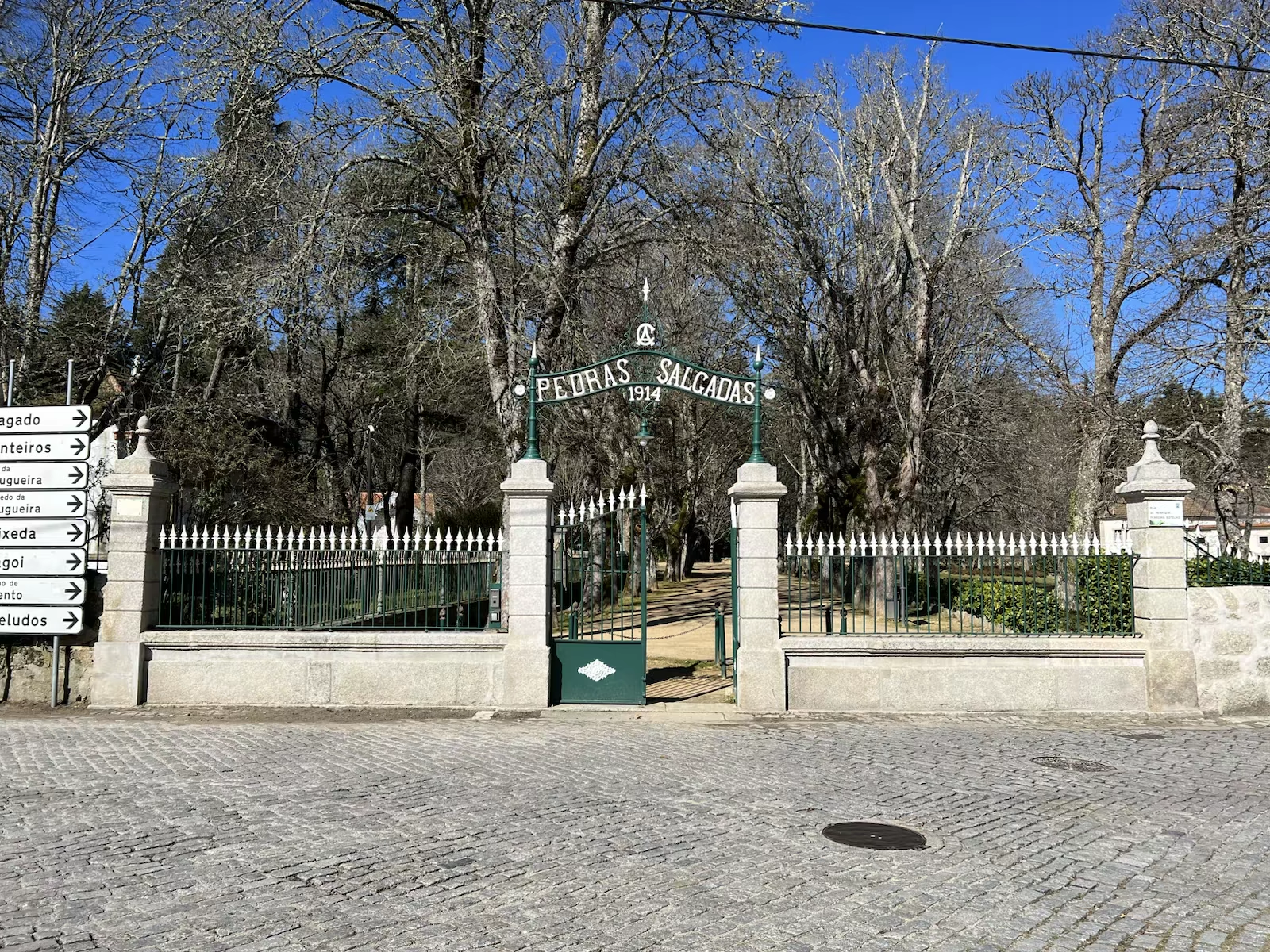
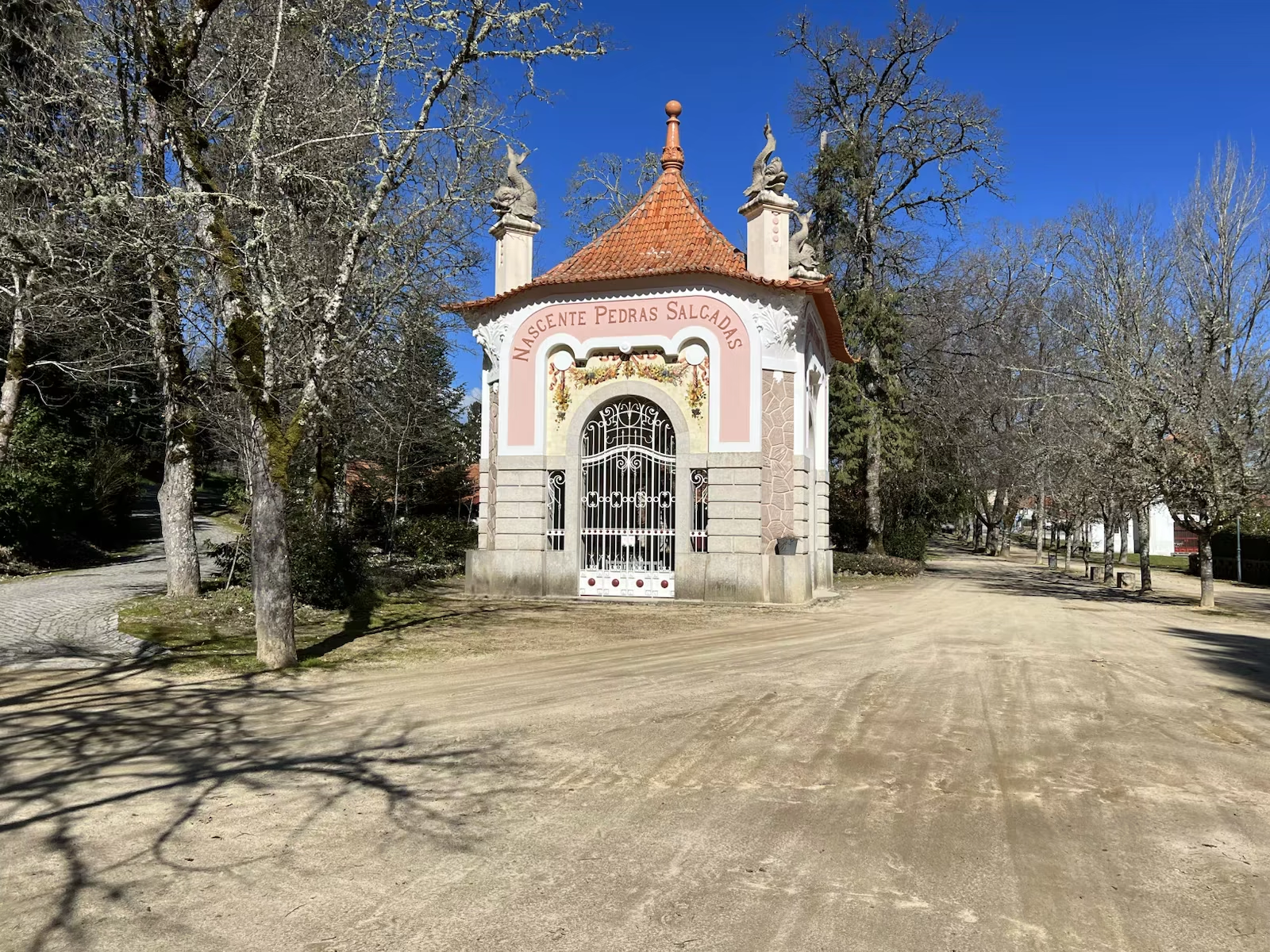
Pedras Salgadas wasn’t on Saramago’s journey but, unlike Mazouco, it could have been: the waters have been worked since 1871, long before he passed. Today it’s a park with a spa and a museum, but in the early twentieth century it was an elite resort, casino and all. Its peculiarity is the naturally sparkling springs — rare things, and Pedras has several (at one point eight were counted). In the old days each fountain treated a different ailment, and there was even a ticket telling each visitor which water to drink and how many times a day. At the museum we learned that the water used to travel by ox cart down to the Douro and onwards by boat, and that of one of the founders not a single photograph exists — which lends the whole thing a certain mystery. The park is free to visit; you only pay for the museum, or to sleep in the tree houses.
Murça
«Ali está no largo principal, toda em costados e lombos, em presuntos inesgotáveis, fungando a quem passa»
— José Saramago, Viagem a Portugal
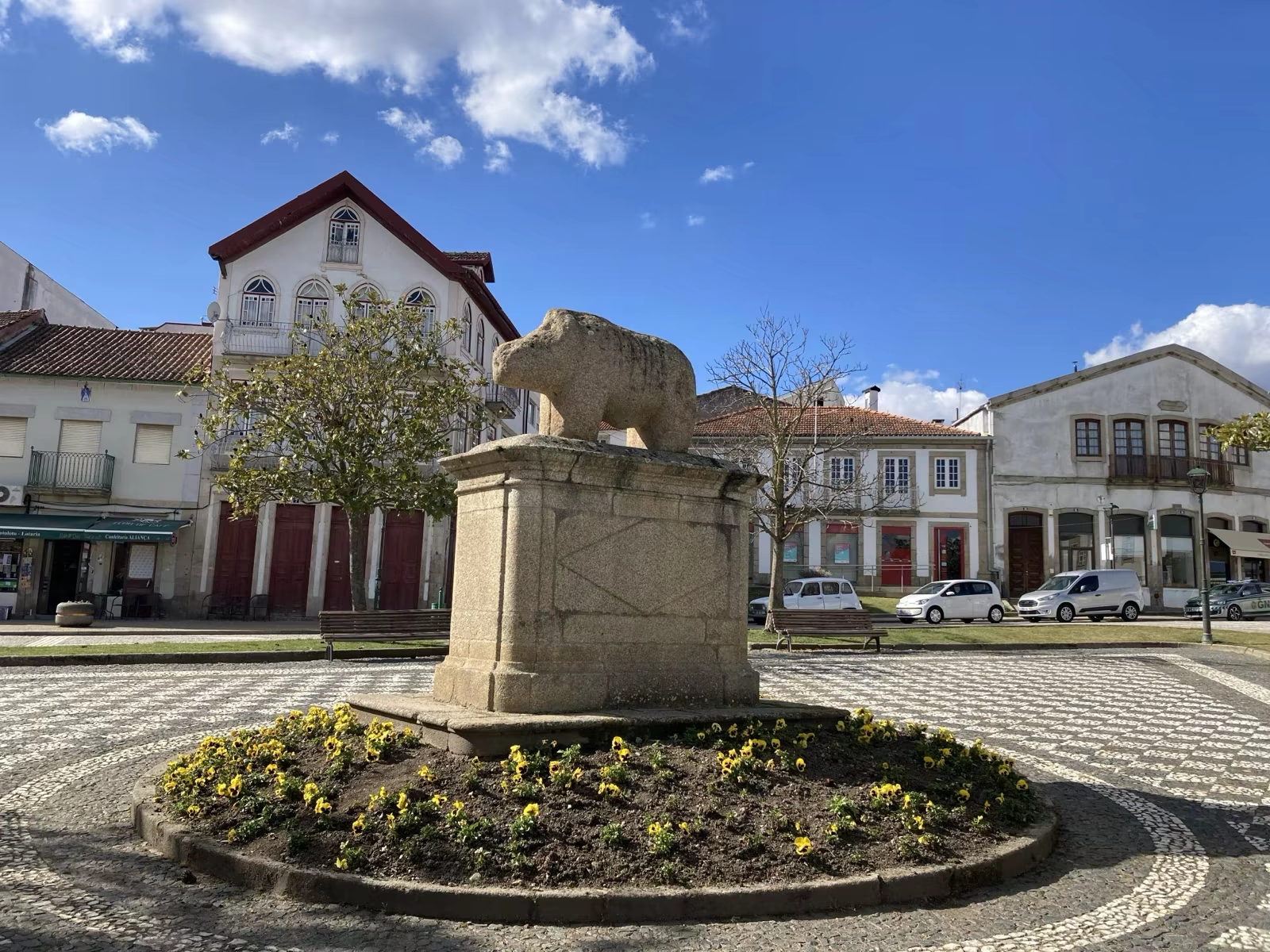
In Murça stands the famous porca — a great stone sow on the main square that even lends her name to a wine, Porca de Murça. What is the story of the sow? Honestly, we have no idea, and we’ve already forgotten. If you’re curious, consider it a challenge: go look it up. The town has some life to it, with its cooperatives and people on the street, even if it felt a little empty.
Day 8 — Saturday, 25 February
The day’s route: Buçaco.
The last day, already heading back to the centre. The evening before we had driven down to Luso, in the rain and the dark, on narrow roads thick with traffic — a drive we do not remember fondly. Saramago passed through Buçaco, but not through Luso, where we stayed.
Buçaco
«A mata do Buçaco requer as palavras todas, e, estando ditas elas, mostra como ficou tudo por dizer»
— José Saramago, Viagem a Portugal
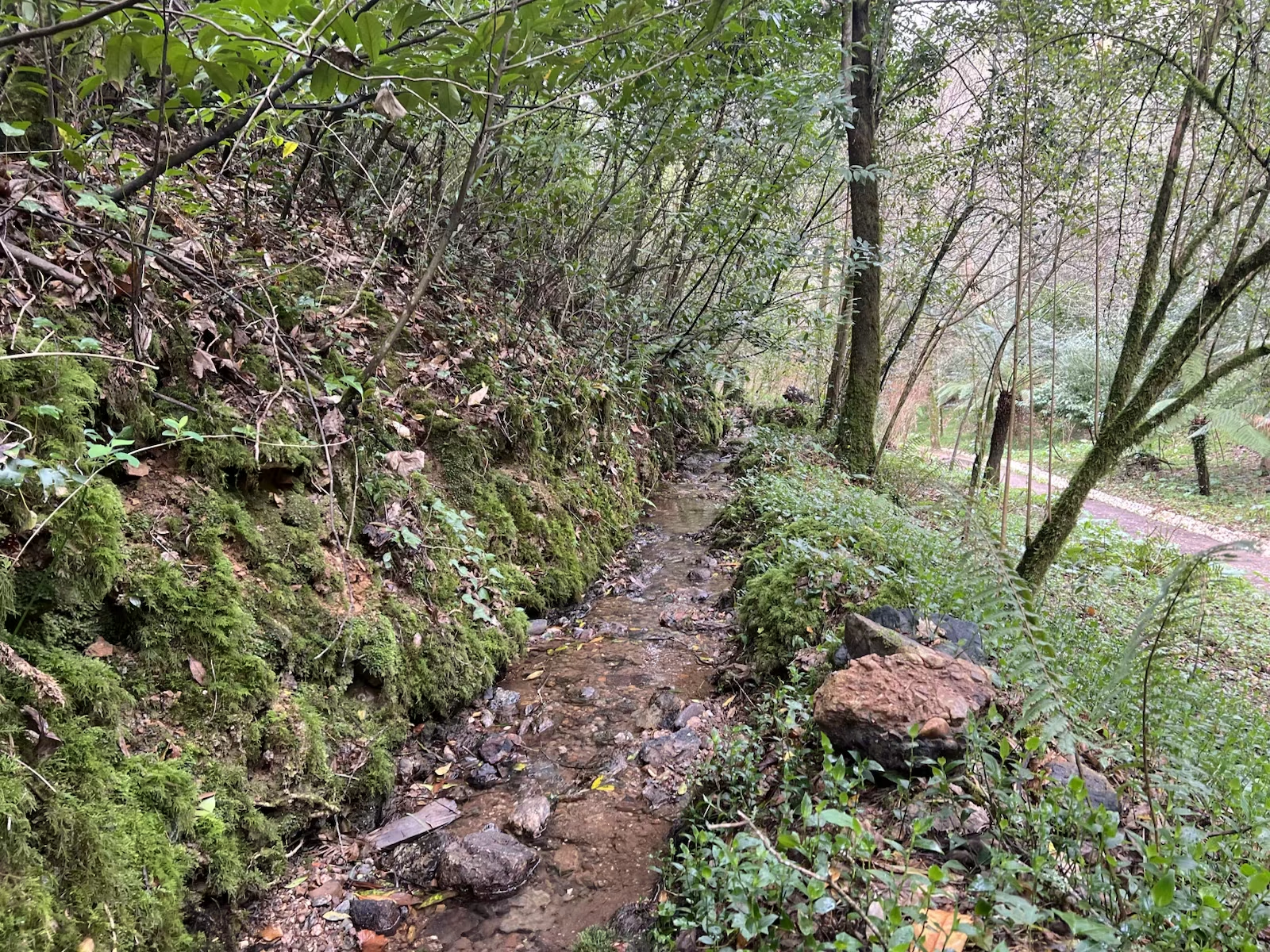
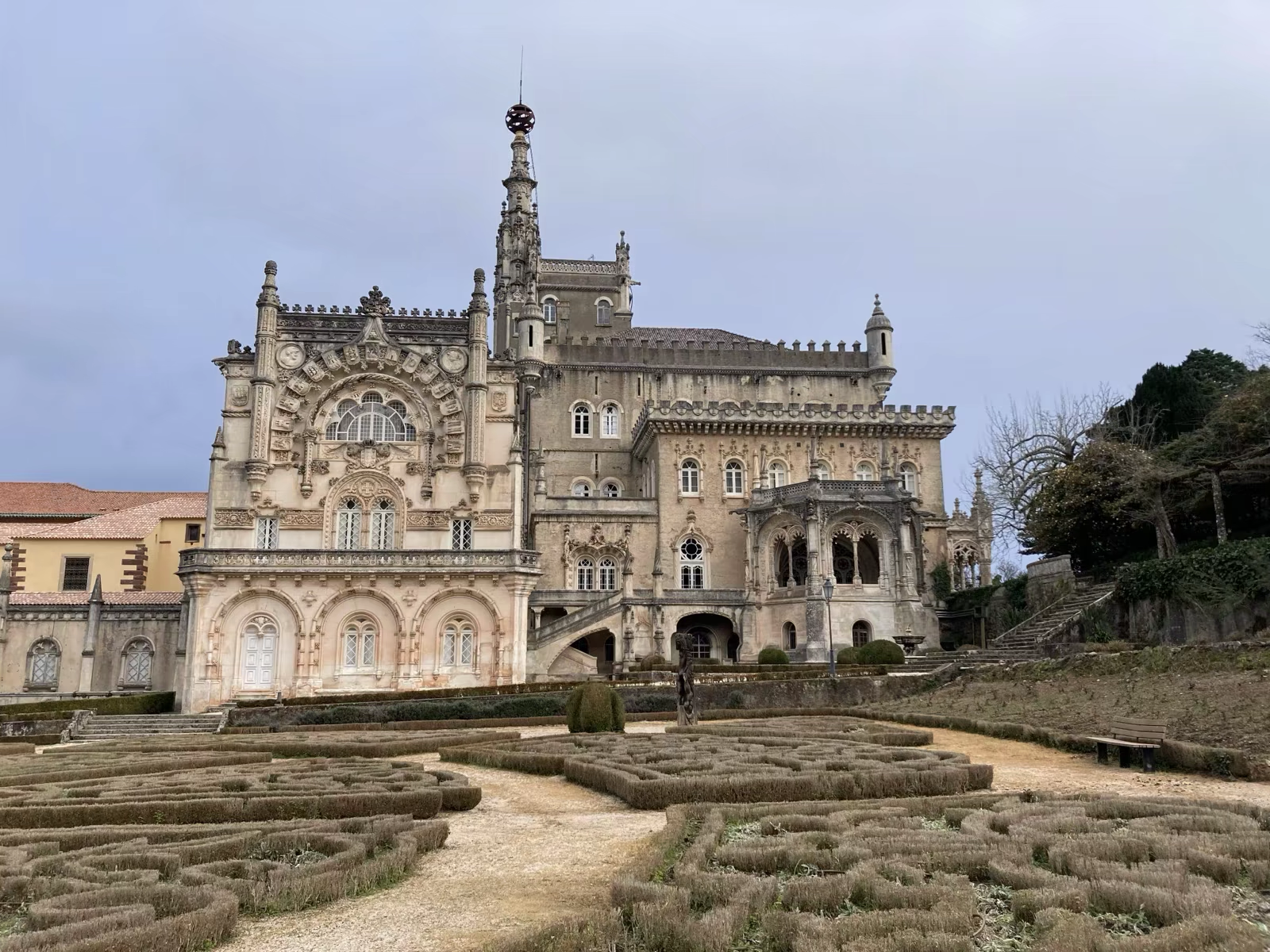
Before entering the forest we drank Luso water at the fountain right beside the hotel, where plenty of people were filling bottles. It tastes better there than bottled, we promise. Then we walked the Buçaco gardens, and Saramago is right: that forest demands every word there is. Even in February everything was intensely green, full of water and a thousand different greens, and we got a good hike in through the middle of it. We also saw the Buçaco Palace, astonishing, now a hotel (an expensive one — we peeked at the prices).
Epilogue
At the end, we were left with a bittersweet feeling. Saramago, in the book, is welcomed with open arms: he strikes up conversation with everyone, and there is always somebody with a story to tell him. We, all this time later, found above all empty villages. Many of these places are nearly deserted now, drained by emigration, and there were whole days when we barely saw a soul on the street. The few real conversations we had were with the gentlemen of Mazouco and their oranges — and perhaps that is our greatest regret: that more stories like that didn’t come along, the kind you tell afterwards. Perhaps the fault is partly ours, too; we’re not the best at striking up conversation with passers-by.
But on the whole we loved it. The roads were far better than we expected, and there is a particular beauty to this border strip of Trás-os-Montes — empty, at times reminding us of the Alentejo. The favourite moments remain: the donkeys of Atenor, the oranges of Mazouco, Guadramil, Chaves. And the wish remains too: to come back, and to keep travelling.